Loading...
15 places
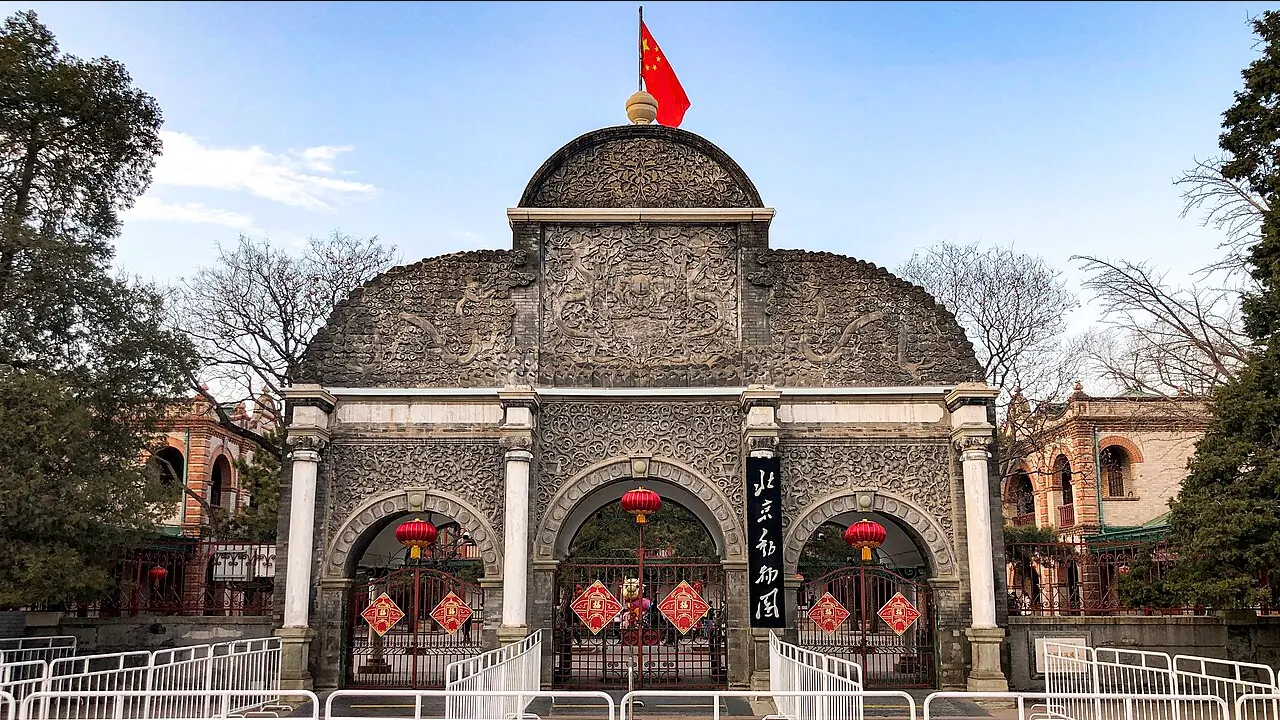
Beijing Zoo
北京动物园
Beijing
China's oldest zoo, established in 1906. Home to over 5,000 animals of 400 species, including giant pandas. A renowned zoological research center.
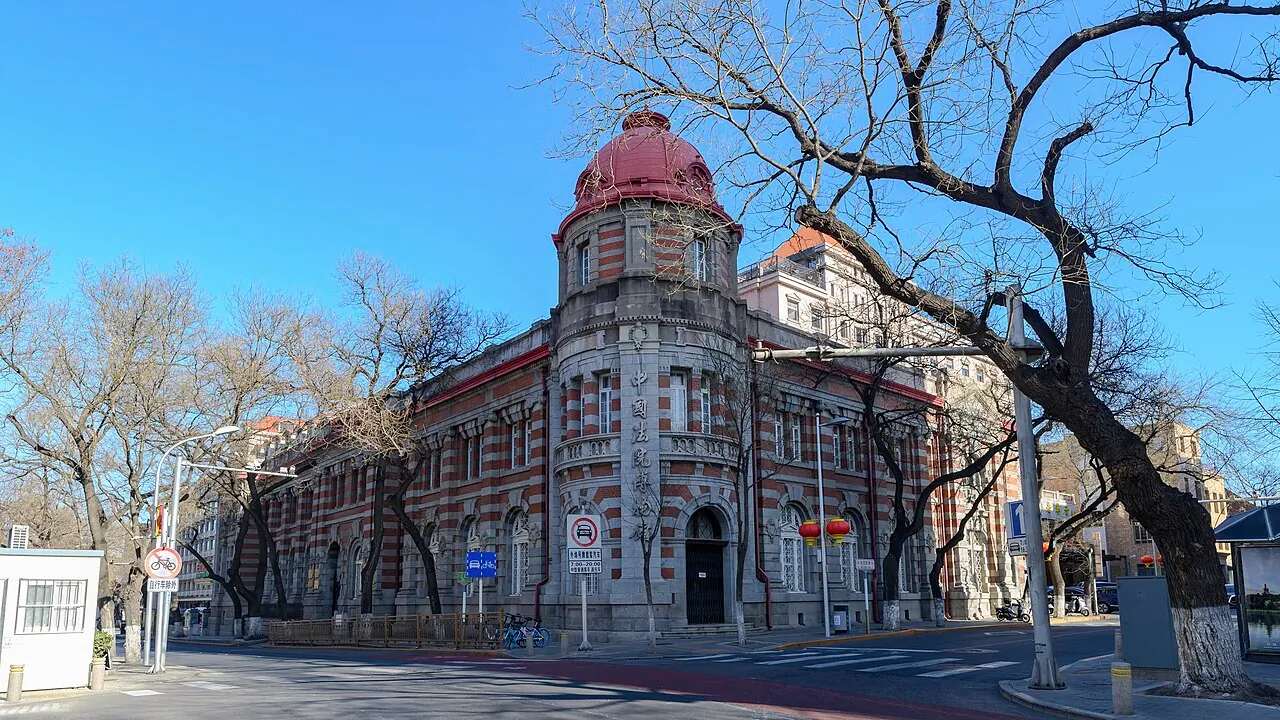
China Court Mesume
中国法院博物馆
Beijing
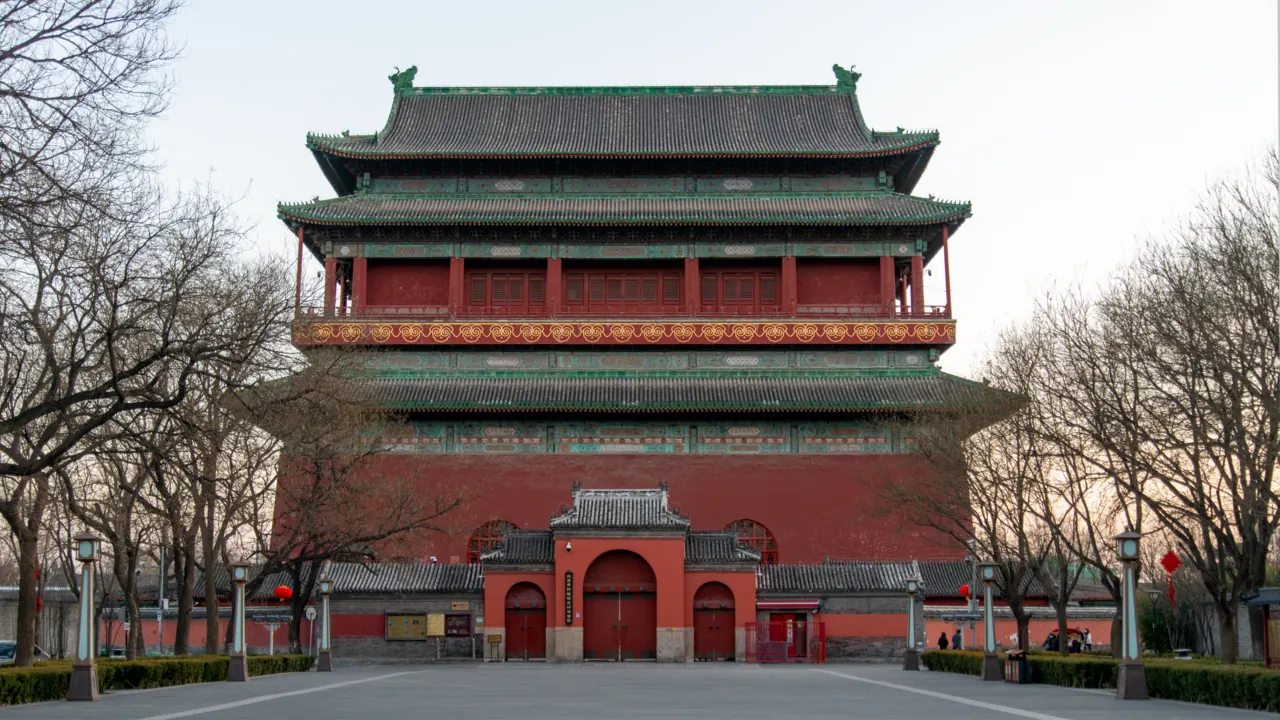 Nearby central-axis scene
Di'anmen Yanchi Tower
地安门(燕翅楼)中国书店
Beijing
Yanchi Tower at Di'anmen is a famous landmark along Beijing's Central Axis. First built in 1420, it stands on both sides of the Di'anmen Gate. Consisting of two symmetrical two-story brick-concrete buildings, each structure spans thirteen bays and is topped with yellow glazed tiles. Boasting an exquisite design, the towers resemble a pair of wild geese's outstretched wings when viewed from afar, hence its name. In the Qing Dynasty, the towers served as official offices for the Manchu, Mongolian and Han banners under the Imperial Household Department. In late July and early August 2015, China Bookstore opened a 24-hour ancient book store here.
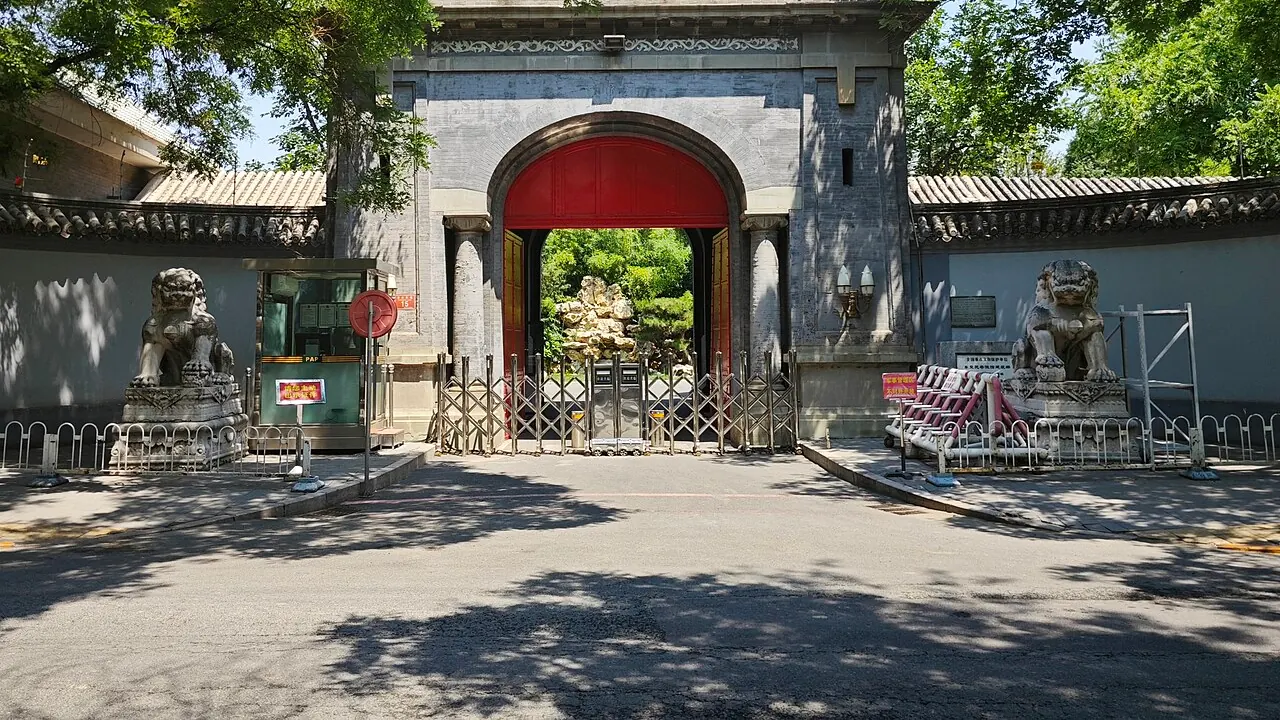
Dongjiaominxiang
东交民巷
Beijing
Dongjiaominxiang is the longest hutong in Beijing, stretching 1,552 meters. It was once a famous embassy area, witnessing China's modern diplomatic history. Originally called "Jiangmi Alley" in the Yuan Dynasty, it was renamed in the Qing Dynasty. It is now a cultural relic protection block in Beijing, with Western-style buildings remaining from a special historical period.
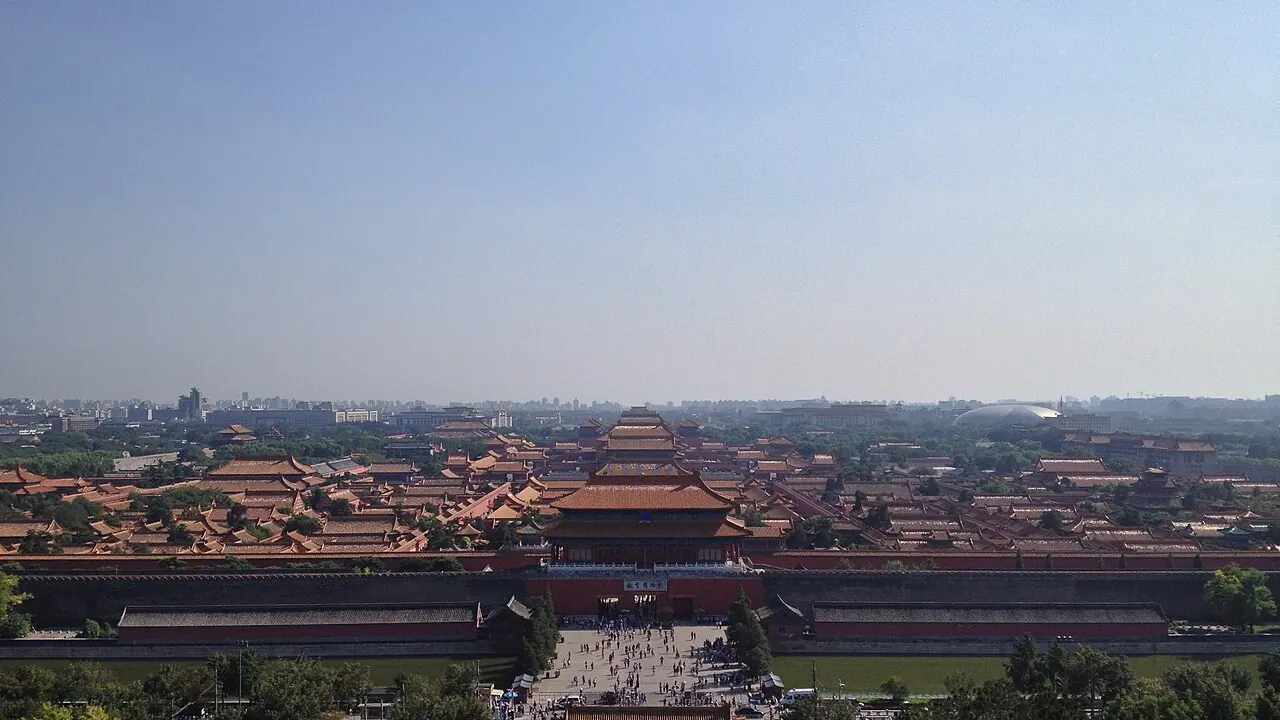
Jingshan
景山
Beijing
Jingshan, also known as Coal Hill, is an artificial hill located north of the Forbidden City. It offers a panoramic view of Beijing and holds historical significance as a former imperial garden. Its central location on the Central Axis symbolizes the city's historical and cultural heritage.
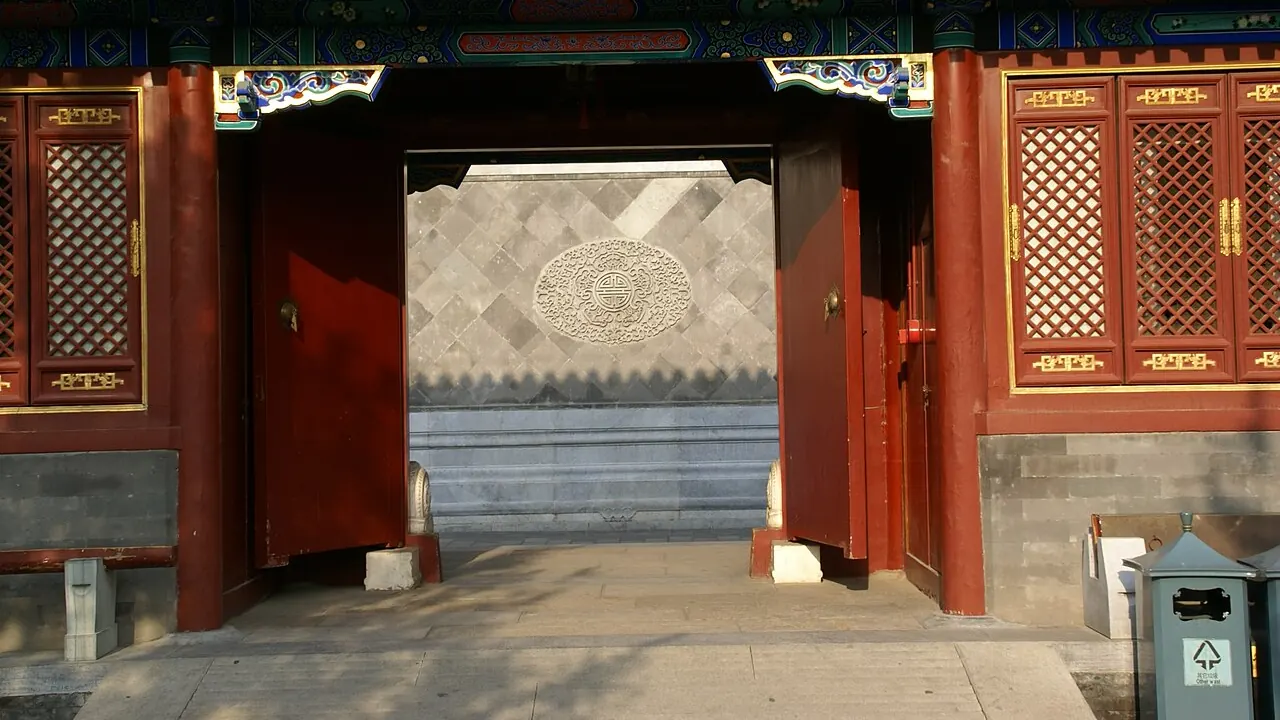
Prince Kung's Mansion
恭王府
Beijing
The largest and best-preserved Qing Dynasty prince's residence. Built for He Shen, it later belonged to Prince Gong. It consists of a mansion and a garden.
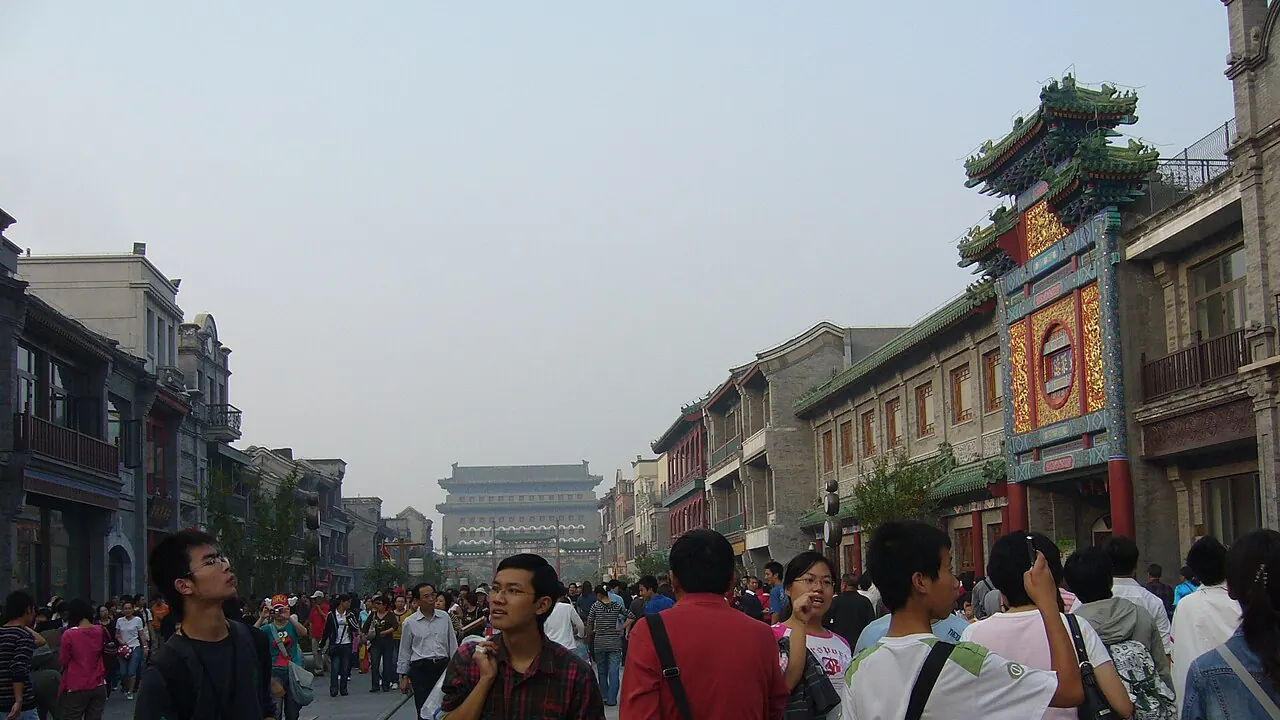
Qianmen Street
前门大街
Beijing
A famous historical commercial street in central Beijing. Lined with traditional architecture and time-honored brands, it's a symbol of old Beijing's prosperity.
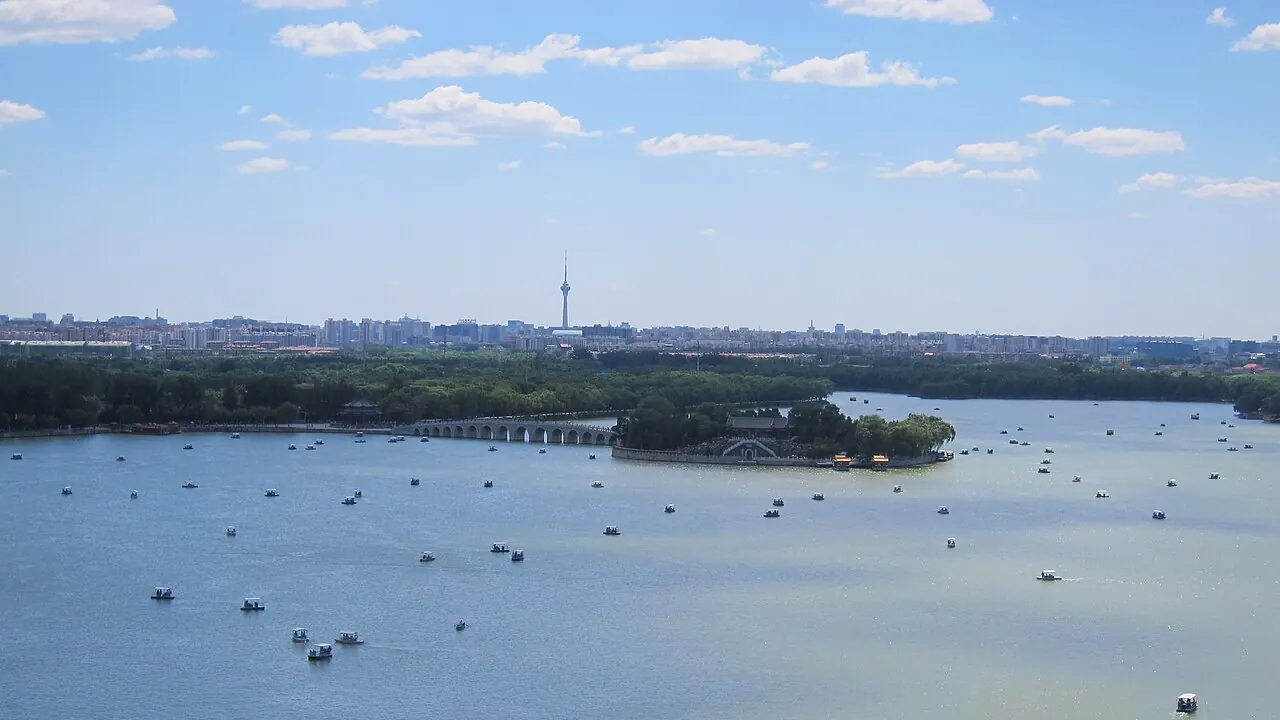
Summer Palace
颐和园
Beijing
A UNESCO World Heritage Site and imperial garden from the Qing Dynasty. Built in 1750, it features Longevity Hill and Kunming Lake, embodying the essence of Chinese landscape garden design.
The Bell and Drum Towers
钟鼓楼
Beijing
The Bell and Drum Towers served as the ancient timekeeping center of Beijing. The drumbeats and bell tolls marked the hours, regulated daily life, and symbolized the order and authority of the imperial city.
The Forbidden City
故宫
Beijing
The Forbidden City, built between 1406 and 1420 during the Ming Dynasty, served as the imperial palace for 24 emperors over nearly 500 years. It is the world's largest palace complex, showcasing traditional Chinese architecture and serving as a symbol of China's rich cultural heritage. Today, it is a UNESCO World Heritage site and a museum that attracts millions of visitors annually.
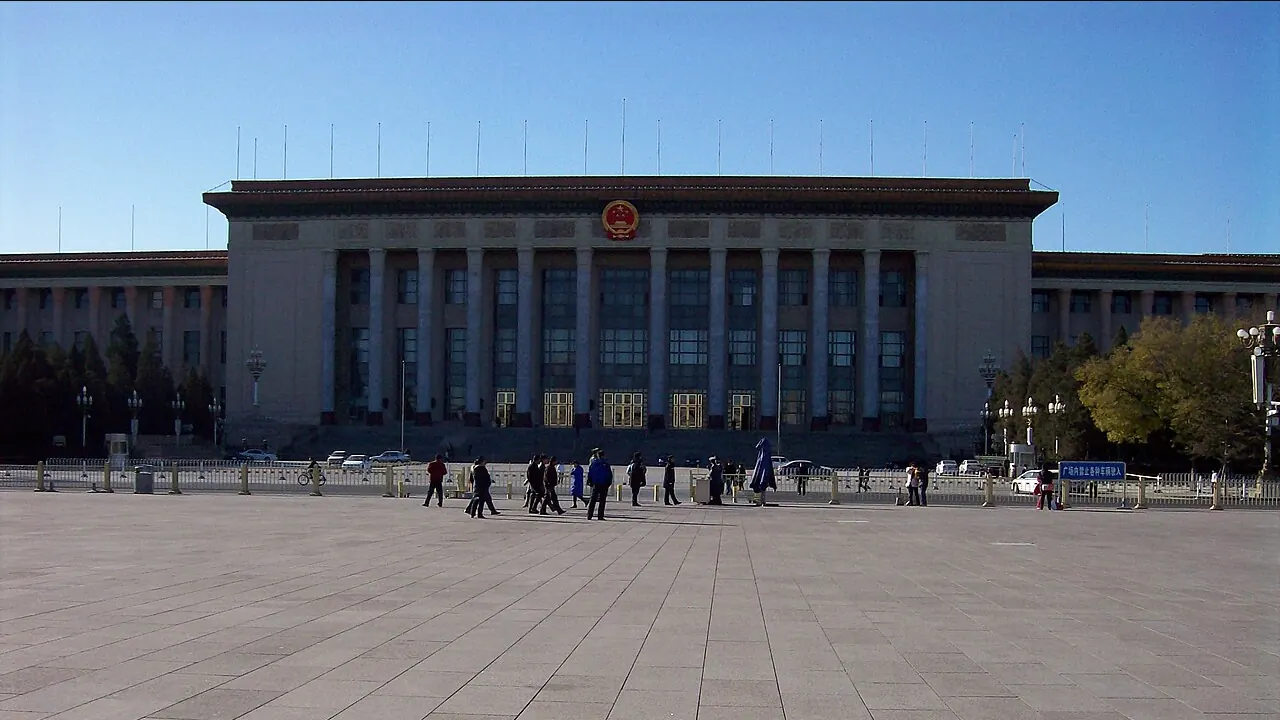
The Great Hall of the People
人民大会堂
Beijing
The Great Hall of the People is an important venue for political activities of the Communist Party of China, the state, and various people's organizations. It is 336 meters long from north to south, 206 meters wide from east to west, and 46.5 meters high, covering an area of 150,000 square meters.
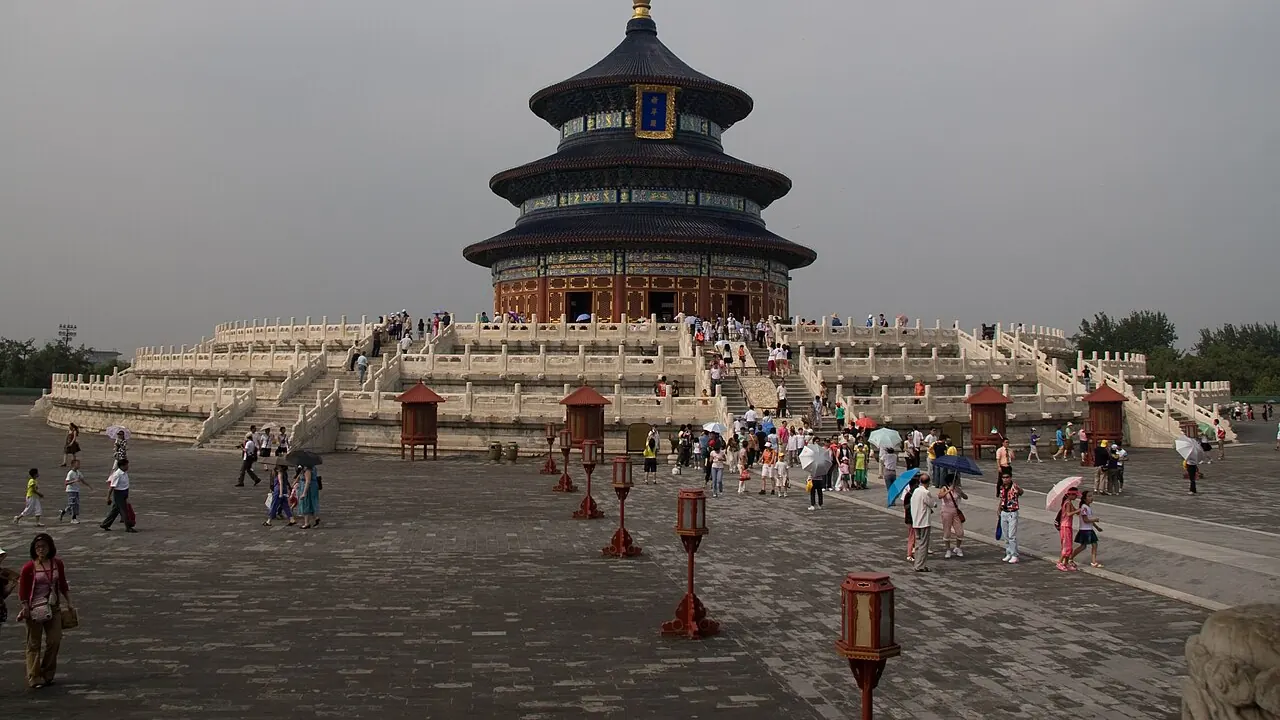
The Temple of Heaven
天坛
Beijing
The Temple of Heaven is the largest ancient worship complex in China, where the emperors of the Ming and Qing dynasties worshiped the Heaven. It is a must-see attraction on a one-day trip to Beijing. It was built in 1420 during the Ming Dynasty, covering an area of 2.73 million square meters. The complex includes iconic structures like the Hall of Prayer for Good Harvests, the Imperial Vault of Heaven, and the Circular Mound Altar, known for its unique acoustic effects. In 1998, it was listed as a UNESCO World Heritage Site.
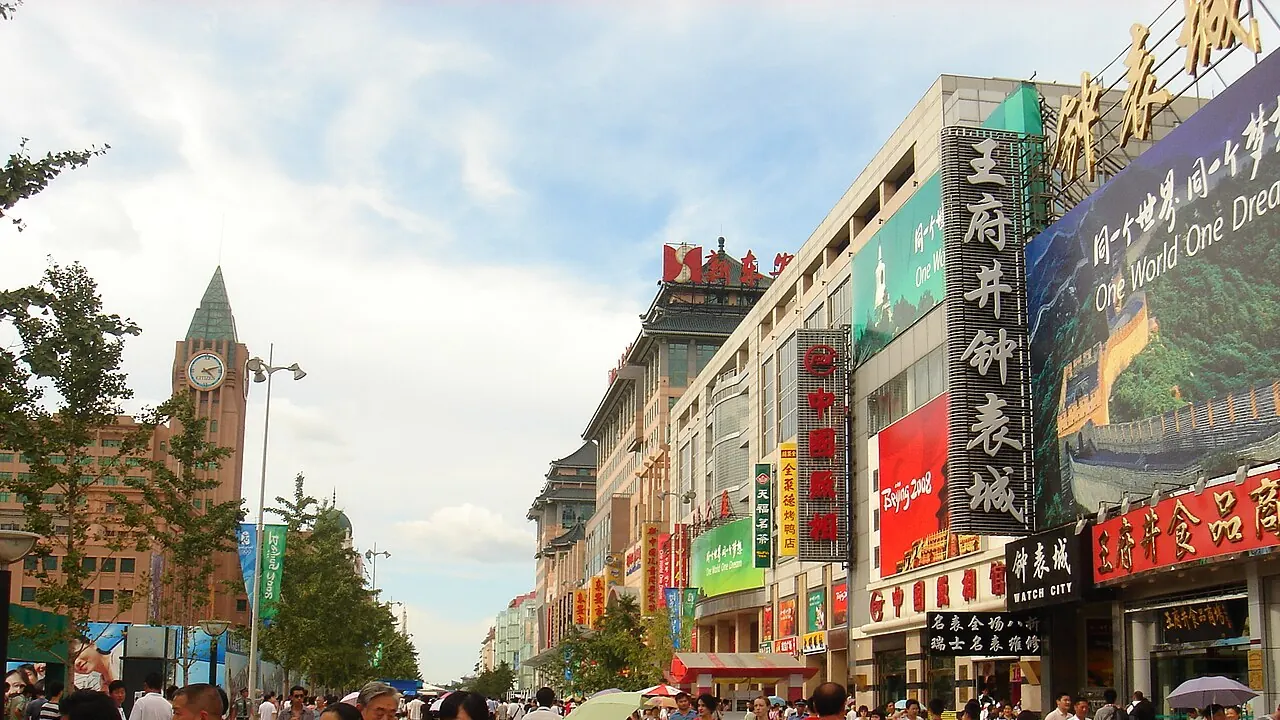
Wangfujing
王府井
Beijing
Wangfujing is one of the most famous shopping streets in Beijing, known as "China's First Street". It has a history dating back to the 13th century and stretches 1,818 meters long. With an average daily foot traffic of around 600,000 people, it is a major commercial and tourist hub in the city.
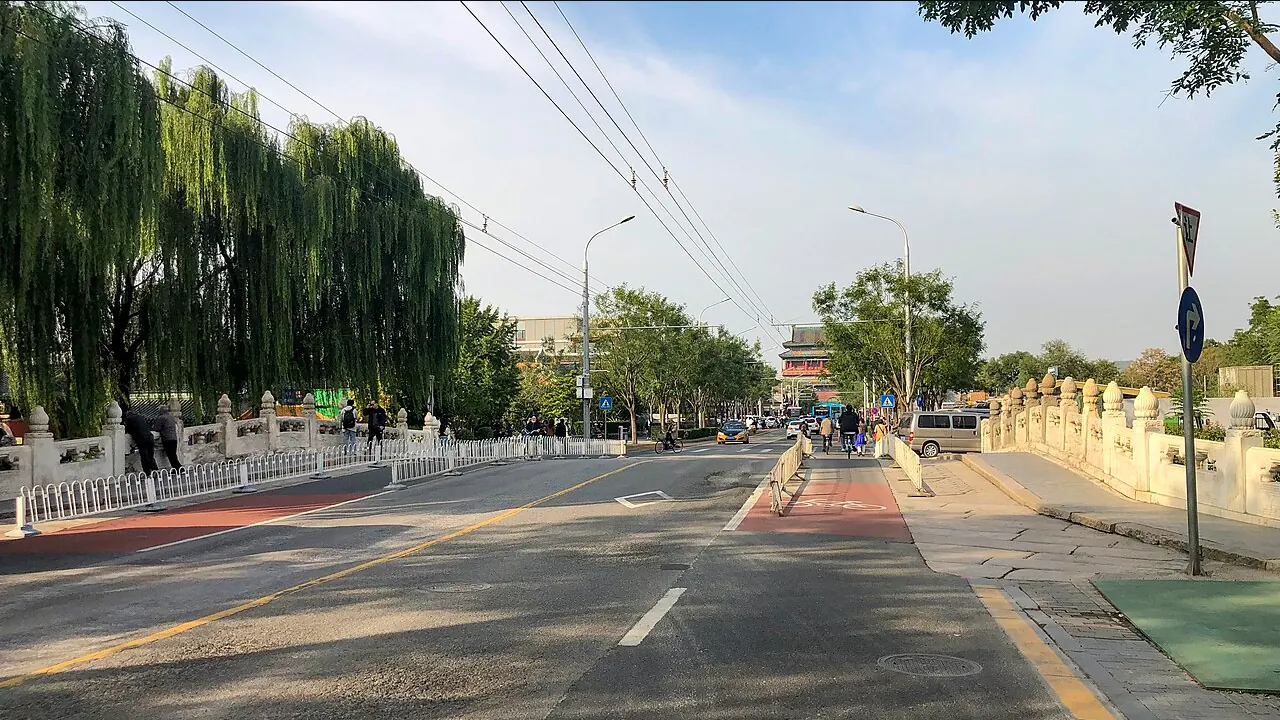
Wanning Bridge
万宁桥
Beijing
Wanning Bridge, also known as Haizi Bridge and Houmen Bridge, is located on Beijing's central axis in Xicheng District. First built in the 22nd year of the Zhiyuan reign of the Yuan Dynasty (1285), it was the starting point of the Grand Canal's water transport in the Yuan Dynasty.
Nearby real sceneYuhe River
玉河
Beijing
The Yuhe River is a section of the Tonghui River, which was an important part of the Grand Canal in the Yuan Dynasty. Located in Dongcheng District, Beijing, it connects Shichahai with the moat. After renovation, it has become a leisure area with both historical culture and ecological landscape. It is part of the World Heritage "Beijing Central Axis - A Masterpiece of Chinese Ideal Capital Order".