Loading...
37 places
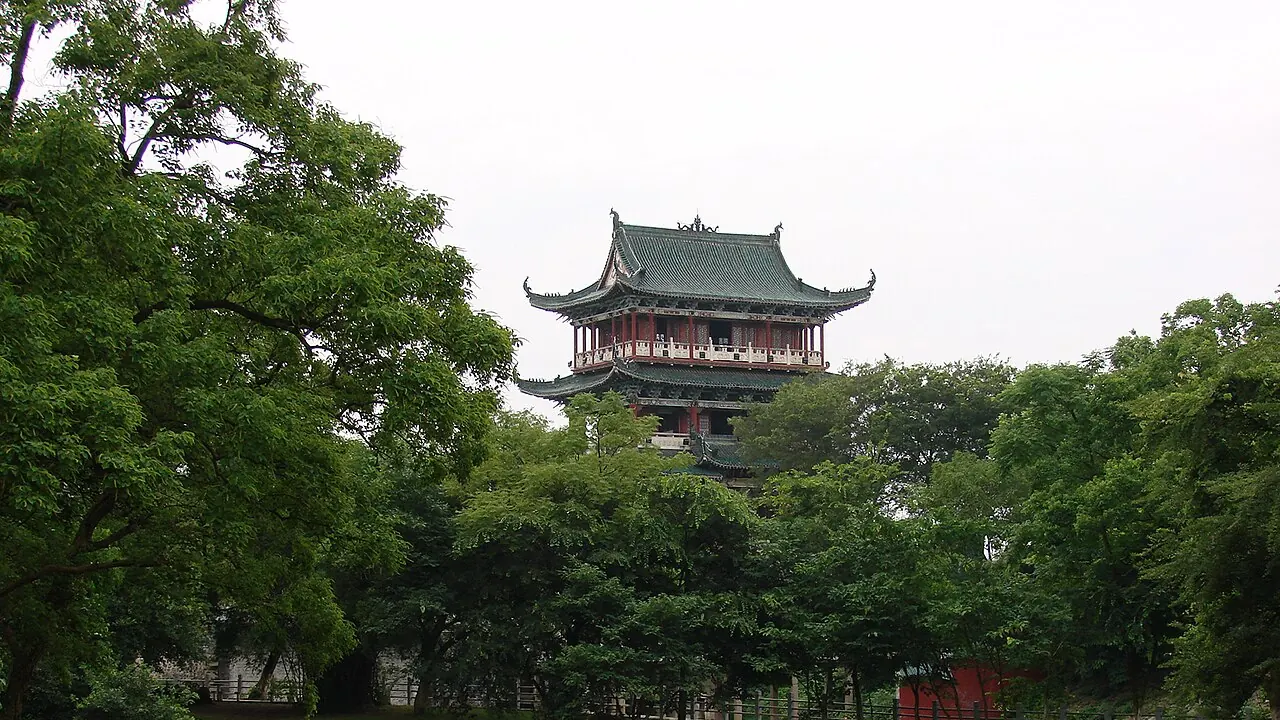
Bajing Terrace
八境台
Jiangxi
A 28.5-meter-high three-story pavilion on the ancient city wall. Built in the Northern Song Dynasty, it's the origin of Chinese "Eight Scenes" culture. Offers views of the Gan River confluence.
Verified photo pending
Beijing Xinqiao Hotel
新桥饭店
A historic international hotel located in the bustling Chongwenmen business district of Dongcheng District, Beijing. Formerly known as Novotel Beijing Xinqiao, it features over 693 well-appointed guest rooms, modern amenities, and a prime location within walking distance of iconic attractions such as the Forbidden City, Tiananmen Square, and Wangfujing Pedestrian Street. The hotel is renowned for its underground hot spring water supply and comprehensive catering and business facilities.
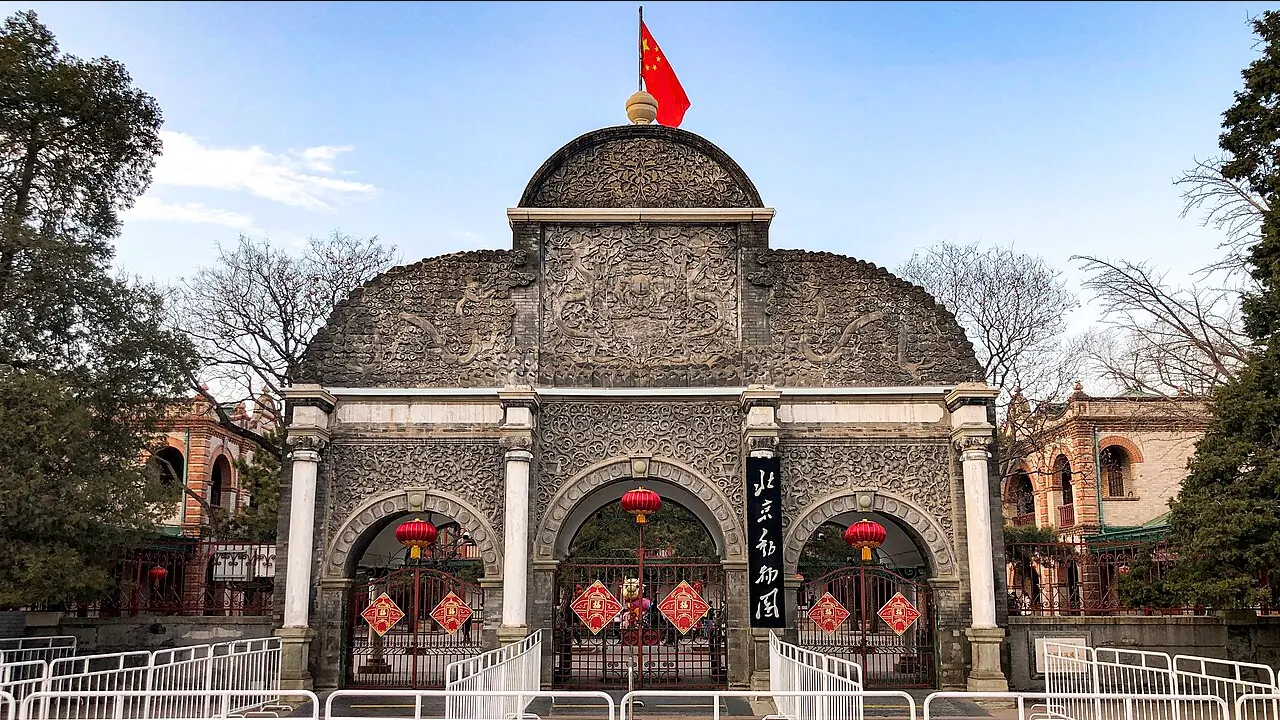
Beijing Zoo
北京动物园
Beijing
China's oldest zoo, established in 1906. Home to over 5,000 animals of 400 species, including giant pandas. A renowned zoological research center.
 AI-assisted context
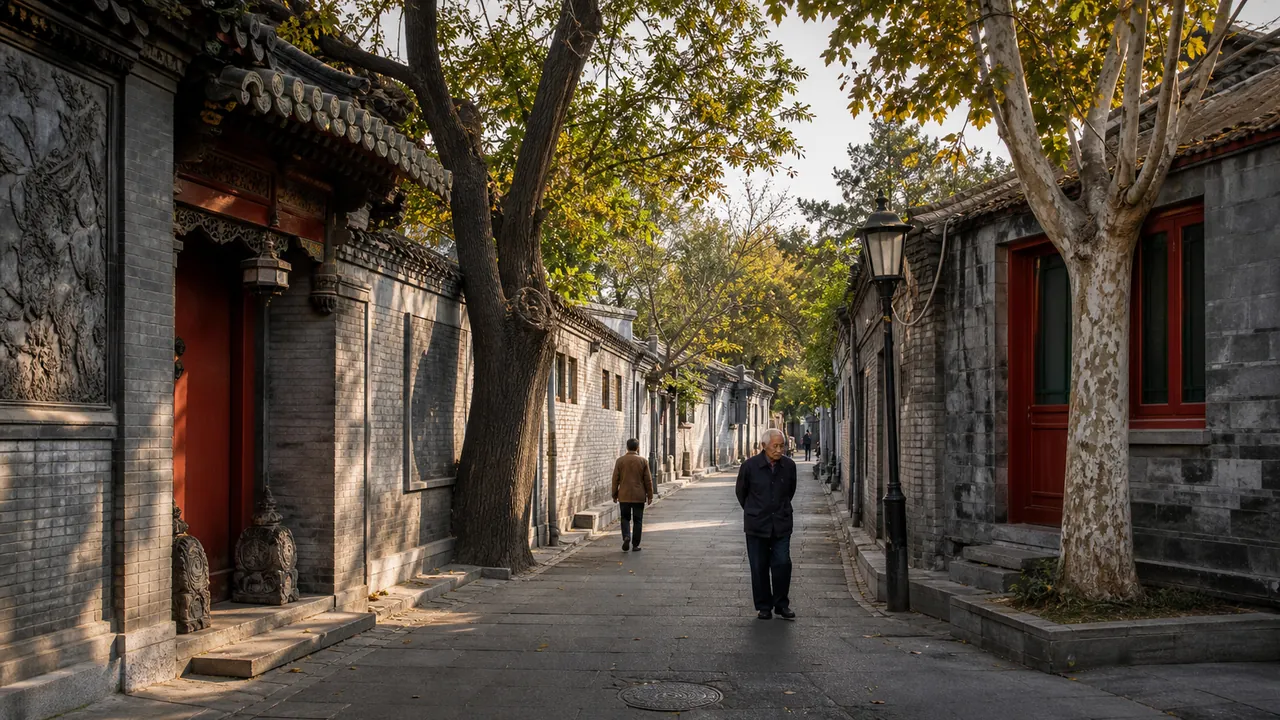
Caochang Santiao Alley (Caochang Third Hutong)
草厂三条
A traditional Beijing hutong located in Dongcheng District, stretching 225 meters long and 4.8 meters wide. It is part of the Beijing Historical and Cultural Reserve, featuring well-preserved traditional courtyard residences, historical guild halls, and the former residence of Peking Opera master Li Hongchun. Nowadays, it is a popular internet-famous spot for leisure walking, blending traditional Beijing charm with modern artistic atmosphere.
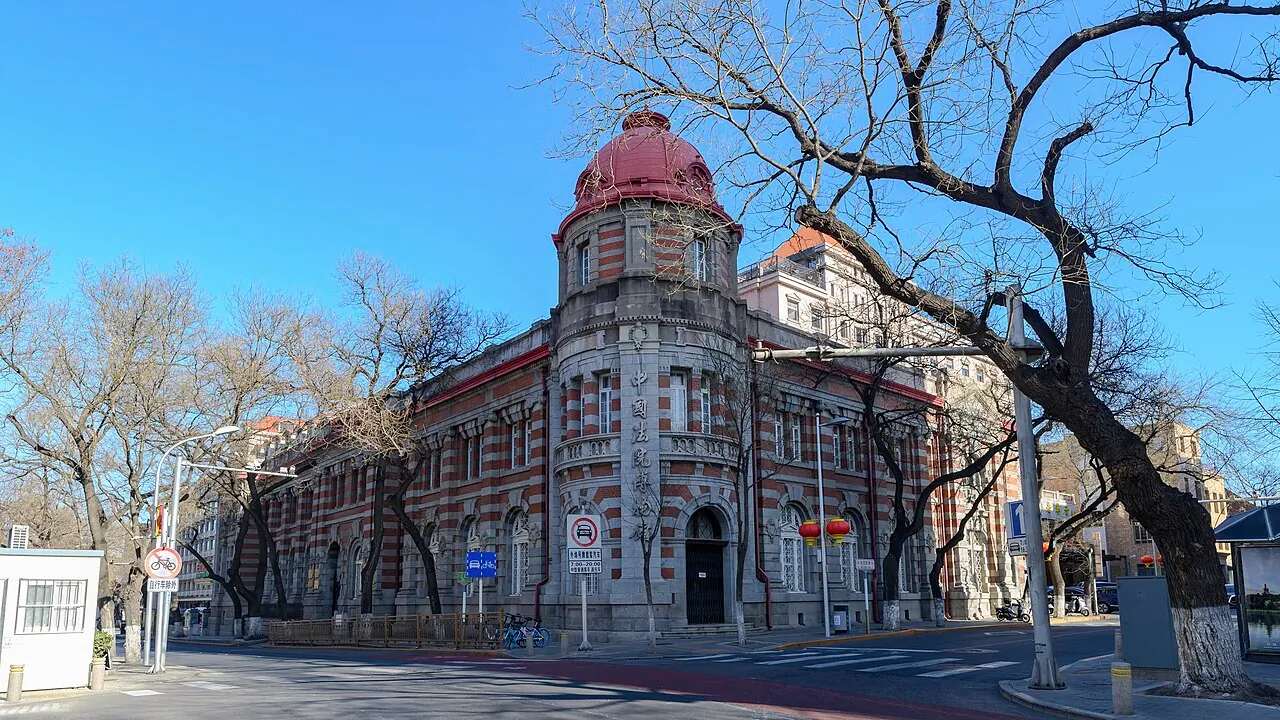
China Court Mesume
中国法院博物馆
Beijing
 Nearby central-axis scene
Di'anmen Yanchi Tower
地安门(燕翅楼)中国书店
Beijing
Yanchi Tower at Di'anmen is a famous landmark along Beijing's Central Axis. First built in 1420, it stands on both sides of the Di'anmen Gate. Consisting of two symmetrical two-story brick-concrete buildings, each structure spans thirteen bays and is topped with yellow glazed tiles. Boasting an exquisite design, the towers resemble a pair of wild geese's outstretched wings when viewed from afar, hence its name. In the Qing Dynasty, the towers served as official offices for the Manchu, Mongolian and Han banners under the Imperial Household Department. In late July and early August 2015, China Bookstore opened a 24-hour ancient book store here.
AI-assisted contextDongbuya Bridge
东不压桥
A historic stone bridge located in Dongcheng District, Beijing, spanning the ancient Tonghui River. First built in the Yuan Dynasty, it is one of the important ancient bridges in Beijing, with a history of more than 700 years. The bridge features a solid stone structure and exquisite carvings, and has played an important role in the water transportation and urban development of old Beijing. It is a well-preserved cultural heritage site and a popular spot for learning about Beijing's ancient water conservancy history.
Dongjiaominxiang
东交民巷
Beijing
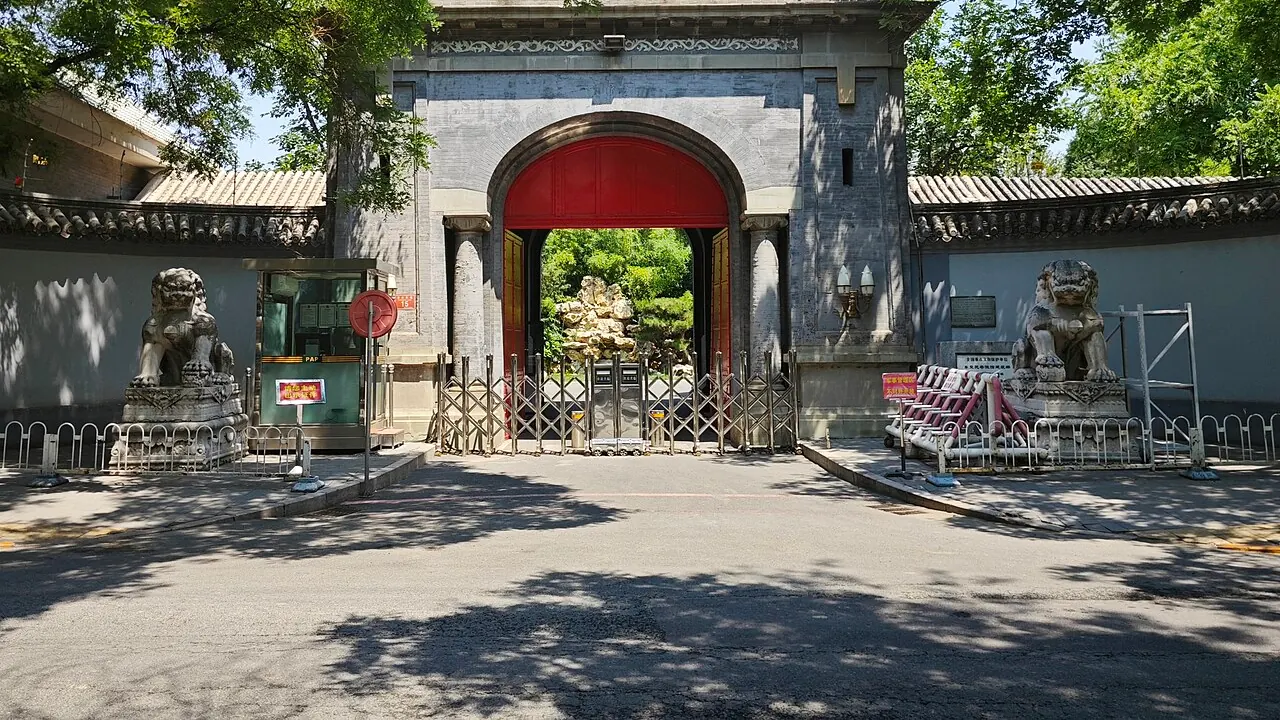
Dongjiaominxiang is the longest hutong in Beijing, stretching 1,552 meters. It was once a famous embassy area, witnessing China's modern diplomatic history. Originally called "Jiangmi Alley" in the Yuan Dynasty, it was renamed in the Qing Dynasty. It is now a cultural relic protection block in Beijing, with Western-style buildings remaining from a special historical period.
 Nearby real street scene
Dou Yi Chu
都一处
A time-honored Chinese restaurant located at No.36 Qianmen Street, Dongcheng District, Beijing. Founded in 1738 during the Qianlong period of the Qing Dynasty, it was named by Emperor Qianlong himself and has a history of more than 280 years. It is most famous for its traditional shaomai (steamed dumplings), which are renowned for their thin and translucent wrappers and rich fillings, and has been awarded the title of 'China Famous Snack' and listed as a Beijing municipal intangible cultural heritage.
 AI-assisted illustration
Fushougou Museum
福寿沟博物馆
Jiangxi
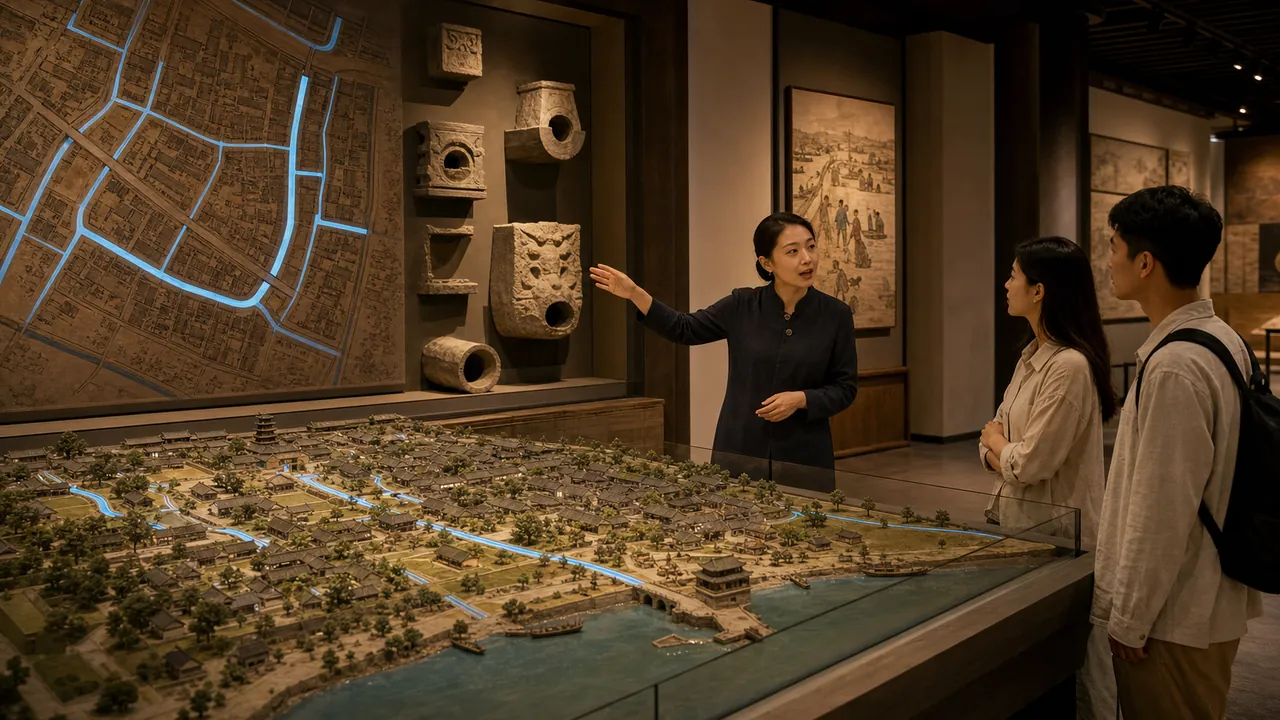
The only museum in China dedicated to an ancient underground drainage system. Built above the ruins of the 900-year-old Fushougou, a marvel of urban hydraulics.
AI-assisted contextHong'en Temple
宏恩观
A historic Taoist temple located in Dongcheng District, Beijing, with a history dating back to the Yuan Dynasty. It is one of the well-preserved ancient Taoist temples in the city, featuring traditional Chinese architectural style, exquisite carvings, and a peaceful courtyard. The temple has played an important role in the inheritance of Taoist culture in Beijing and is a valuable cultural heritage site.
AI-assisted contextHongQiao Market
红桥市场
Established in 1979, this is a famous bazaar located next to the Temple of Heaven. This market is well-known and famous for its exquisite pearl jewelry. Meanwhile, you can also find all kinds of Chinese traditional artcrafts and folk antiques in here.
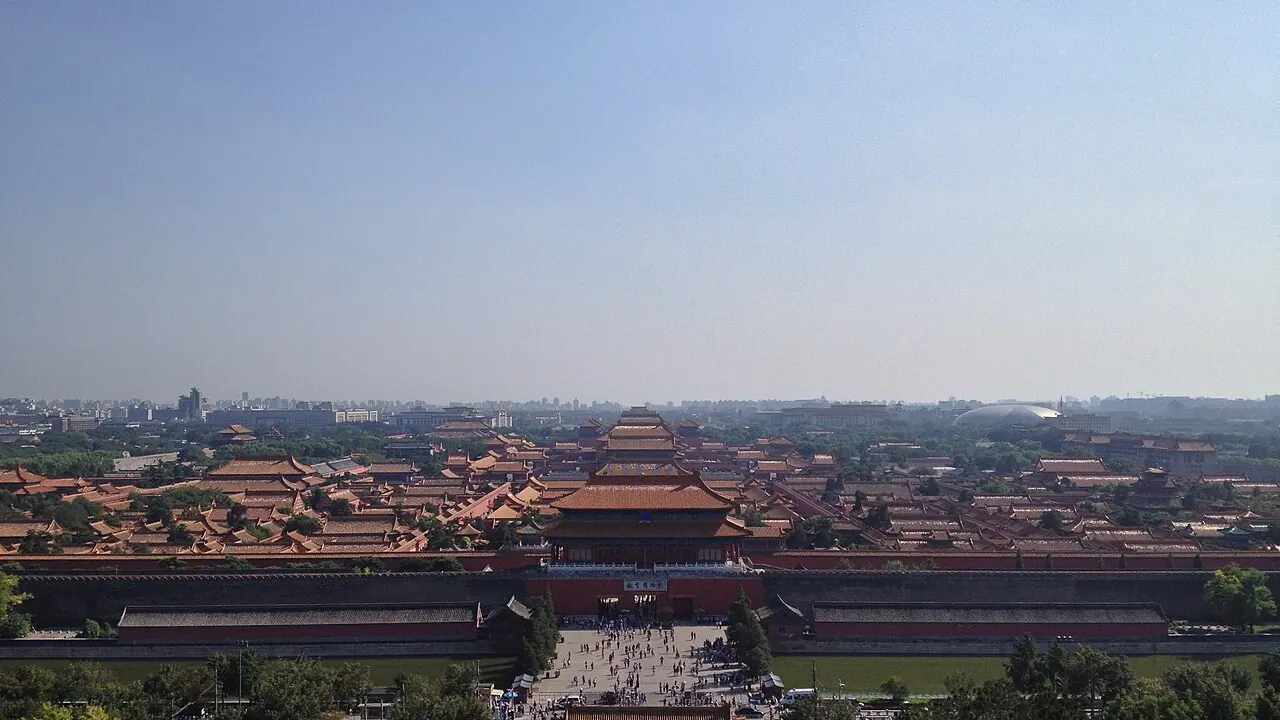
Jingshan
景山
Beijing
Jingshan, also known as Coal Hill, is an artificial hill located north of the Forbidden City. It offers a panoramic view of Beijing and holds historical significance as a former imperial garden. Its central location on the Central Axis symbolizes the city's historical and cultural heritage.
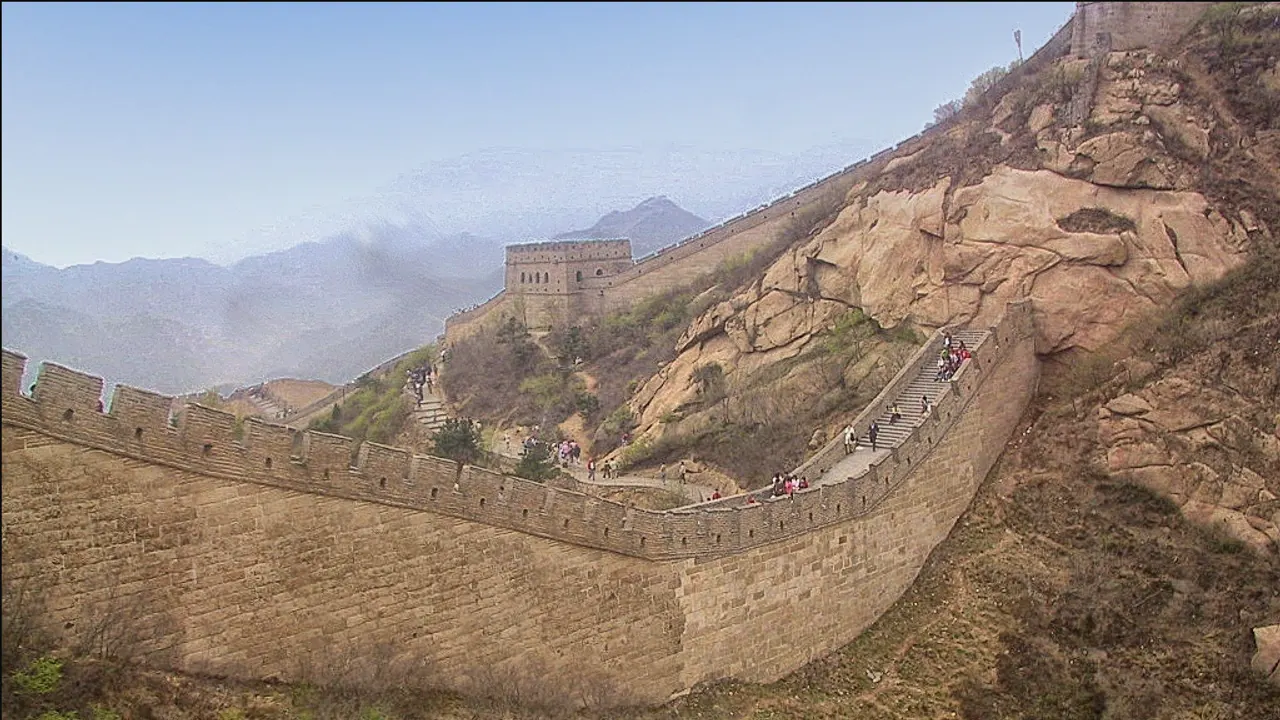
Mutianyu Great Wall
慕田峪长城
Mutianyu Great Wall has a long history and a splendid culture. Located 70 kilometers away from the center of Beijing, it is one of the famous sections of the Great Wall in Beijing and represents the essence of the Ming Dynasty's Great Wall. The construction of Mutianyu Great Wall has an unique style. For instance, Zhengguan Pass with three watchtowers standing together to form a central watchtower, is rare among the Great Wall sections. To the northwest, there are famous Great Wall landscapes known as Jiankou, Niu Ji Jiao Bian, and Eagle Flying Upside Down. The terrain is steep and rugged, with continuous undulations, resembling a soaring dragon. In spring, the mountain is covered with beautiful flowers; in summer, it is lush and accompanied by the sound of flowing water; in autumn, the mountains are adorned with red leaves and abundant fruits; and in winter, it is covered in white snow, presenting a picturesque northern scenery. Mutianyu Great Wall is renowned both domestically and internationally and is praised as an outstanding section of the Great Wall.
AI-assisted contextNew Guochao Theme Post Office
新国潮主题邮局
A cultural theme post office located at No.98 Qianmen Street, Dongcheng District, Beijing. It is the first theme post office in China focusing on new guochao (new Chinese fashion trend) and new cultural creativity. The post office features a replica of an old postal vehicle, wooden shelves displaying a variety of cultural and creative products, and showcases of exquisite figures, blending traditional postal culture with modern guochao elements. It has become a popular internet-famous check-in spot for young people and a unique cultural window for experiencing the integration of tradition and modernity.
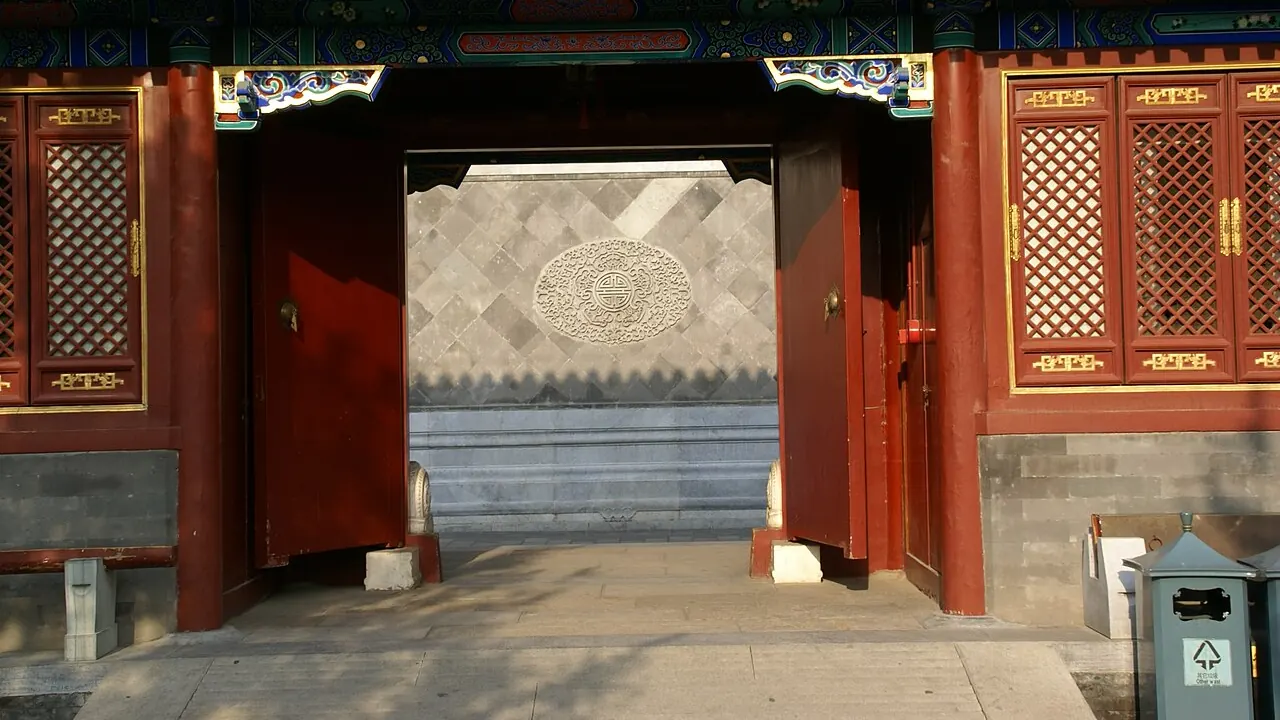
Prince Kung's Mansion
恭王府
Beijing
The largest and best-preserved Qing Dynasty prince's residence. Built for He Shen, it later belonged to Prince Gong. It consists of a mansion and a garden.
Qianmen Street
前门大街
Beijing
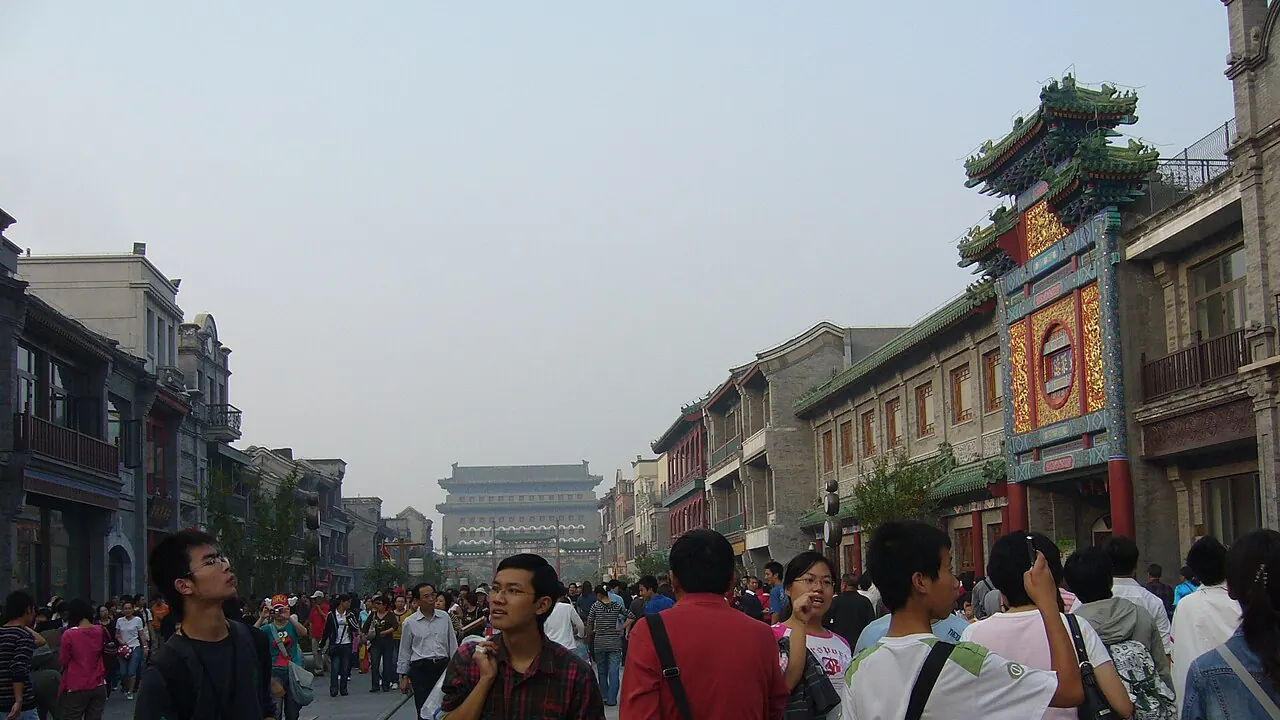
A famous historical commercial street in central Beijing. Lined with traditional architecture and time-honored brands, it's a symbol of old Beijing's prosperity.
AI-assisted contextQingyun Hutong
青云胡同
A narrow traditional hutong located in the Qianmen East area of Dongcheng District, Beijing. With a history of hundreds of years, it preserves the traditional alley texture and courtyard pattern of old Beijing, and is home to the historic Yanliao Guild Hall. The hutong blends the ancient charm of Beijing's hutongs with modern cultural and leisure spaces, making it a popular destination for experiencing traditional Beijing culture.
AI-assisted contextSanlihe
三里河
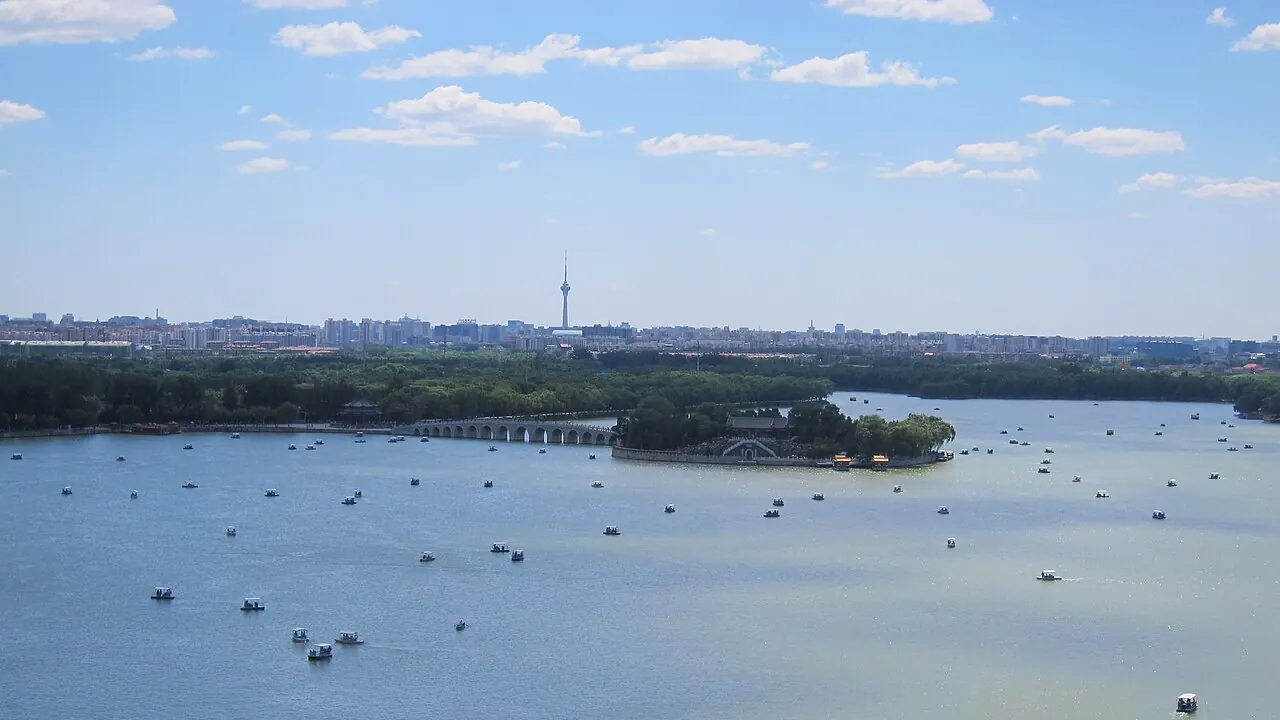
Summer Palace
颐和园
Beijing
A UNESCO World Heritage Site and imperial garden from the Qing Dynasty. Built in 1750, it features Longevity Hill and Kunming Lake, embodying the essence of Chinese landscape garden design.
The Bell and Drum Towers
钟鼓楼
Beijing
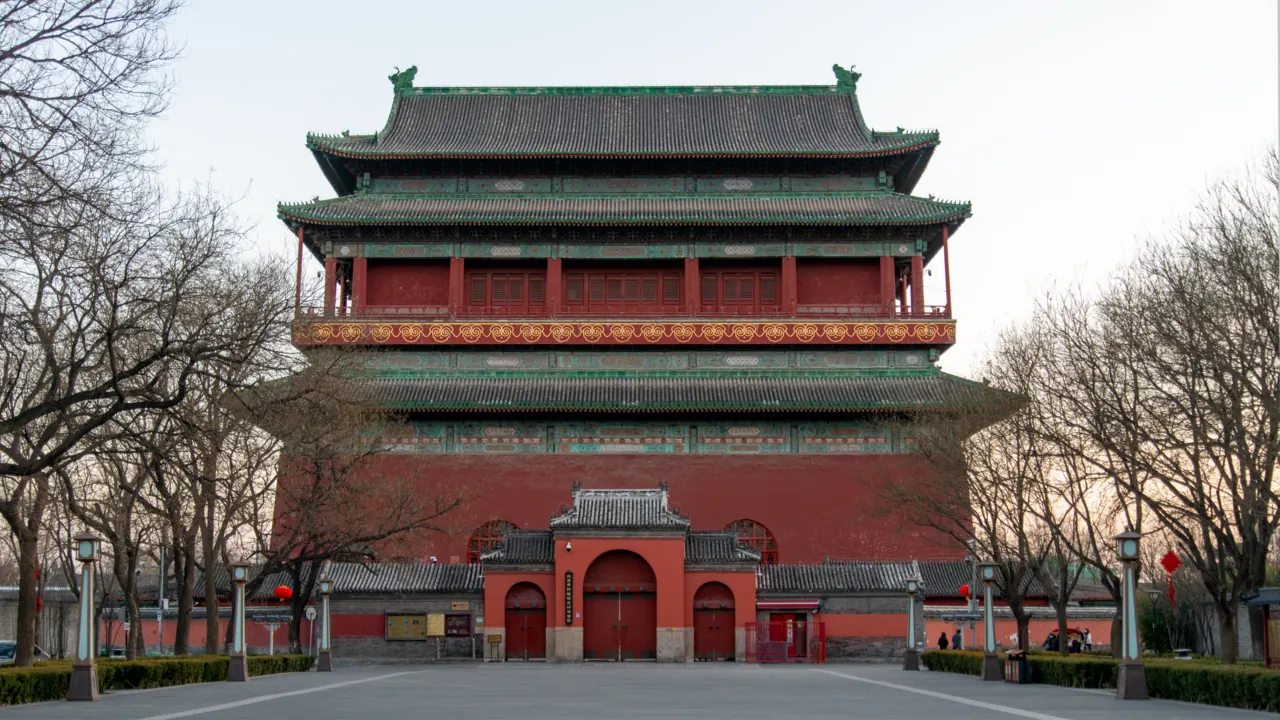
The Bell and Drum Towers served as the ancient timekeeping center of Beijing. The drumbeats and bell tolls marked the hours, regulated daily life, and symbolized the order and authority of the imperial city.
The Forbidden City
故宫
Beijing
The Forbidden City, built between 1406 and 1420 during the Ming Dynasty, served as the imperial palace for 24 emperors over nearly 500 years. It is the world's largest palace complex, showcasing traditional Chinese architecture and serving as a symbol of China's rich cultural heritage. Today, it is a UNESCO World Heritage site and a museum that attracts millions of visitors annually.
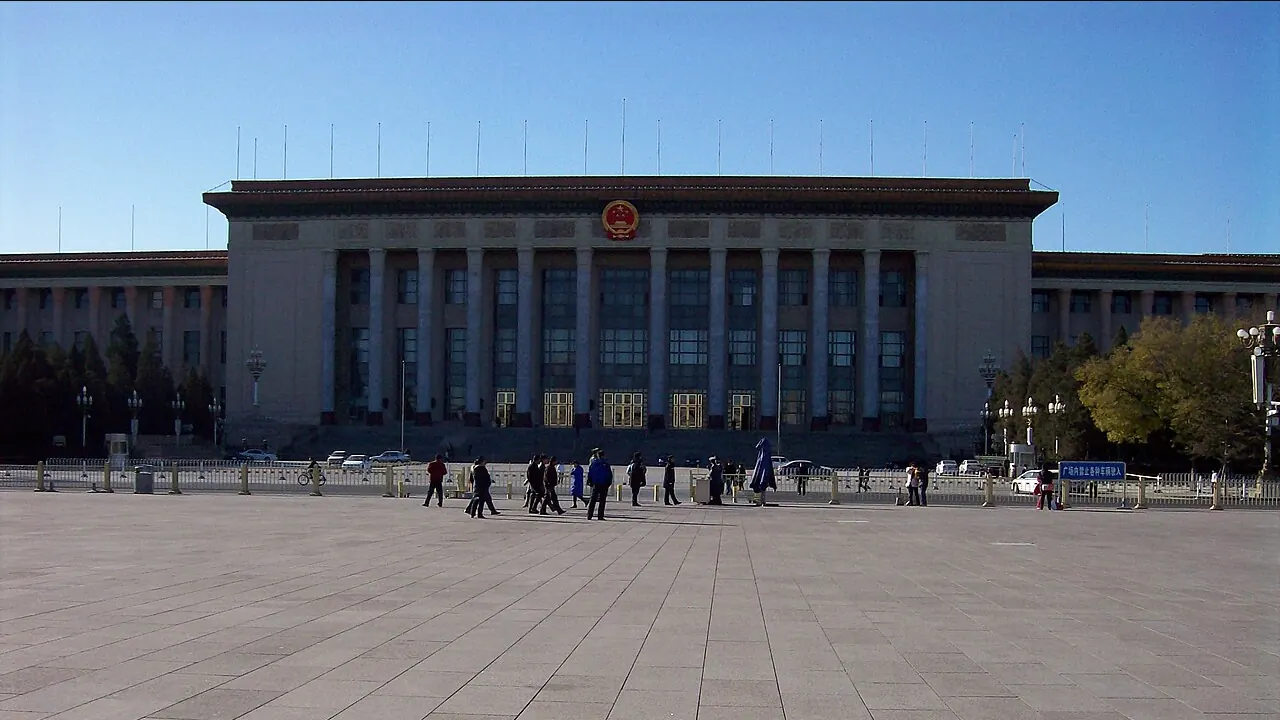
The Great Hall of the People
人民大会堂
Beijing
The Great Hall of the People is an important venue for political activities of the Communist Party of China, the state, and various people's organizations. It is 336 meters long from north to south, 206 meters wide from east to west, and 46.5 meters high, covering an area of 150,000 square meters.
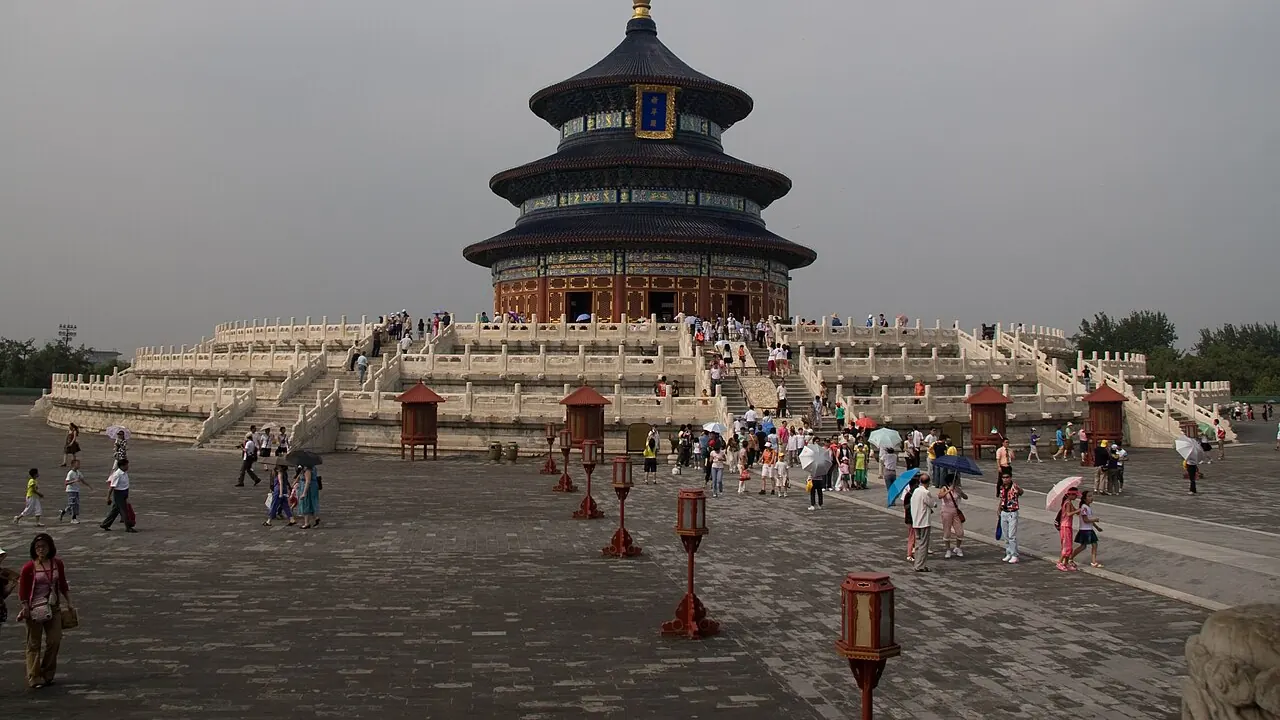
The Temple of Heaven
天坛
Beijing
The Temple of Heaven is the largest ancient worship complex in China, where the emperors of the Ming and Qing dynasties worshiped the Heaven. It is a must-see attraction on a one-day trip to Beijing. It was built in 1420 during the Ming Dynasty, covering an area of 2.73 million square meters. The complex includes iconic structures like the Hall of Prayer for Good Harvests, the Imperial Vault of Heaven, and the Circular Mound Altar, known for its unique acoustic effects. In 1998, it was listed as a UNESCO World Heritage Site.
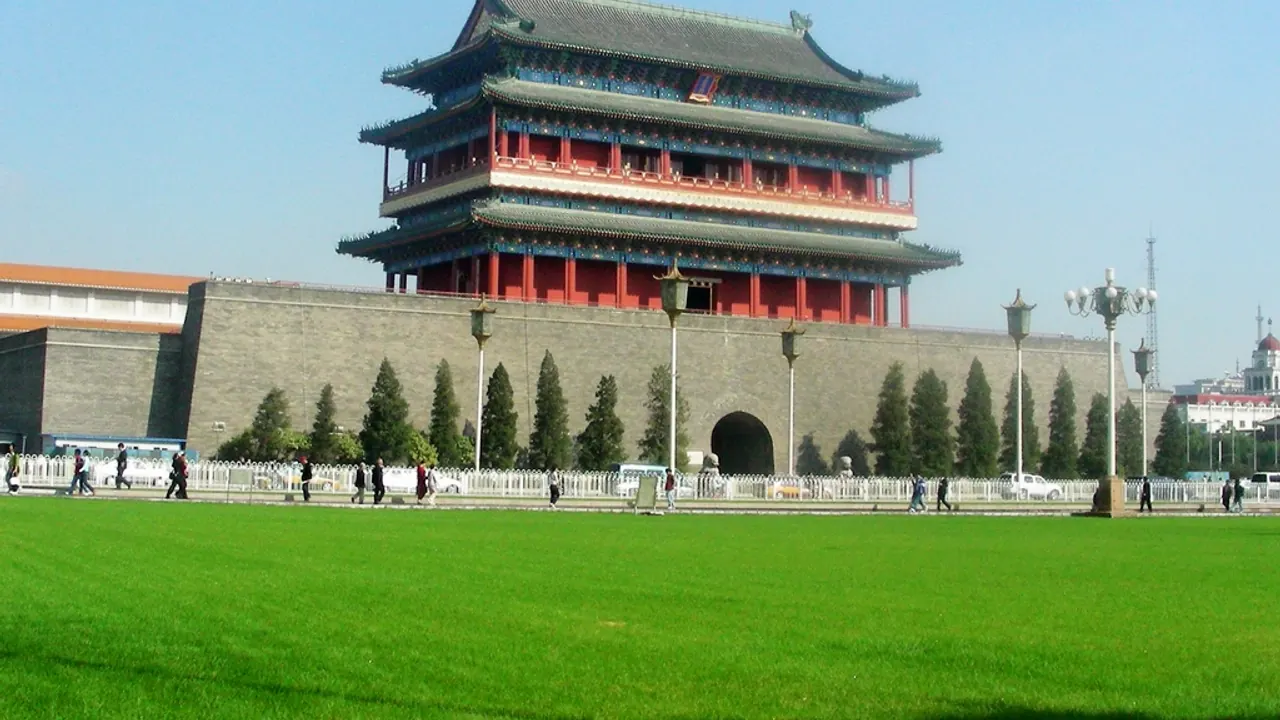 Central-axis context
Tianqiao
天桥
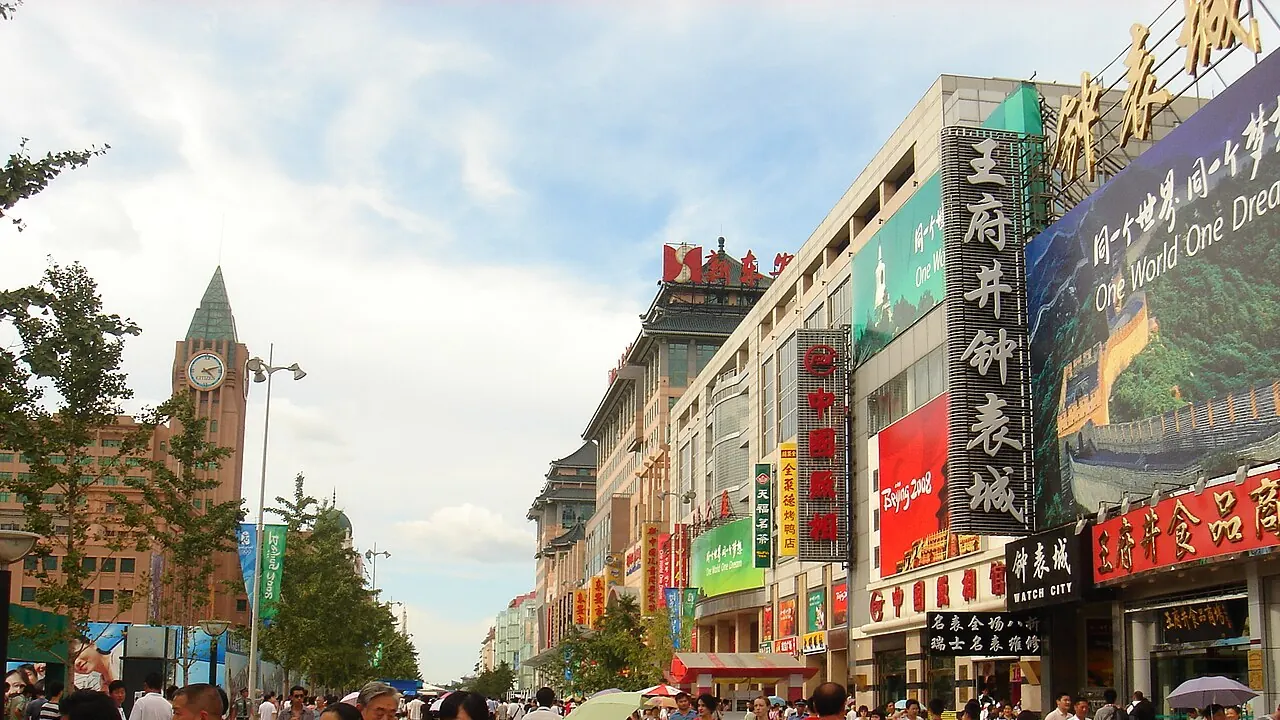
Wangfujing
王府井
Beijing
Wangfujing is one of the most famous shopping streets in Beijing, known as "China's First Street". It has a history dating back to the 13th century and stretches 1,818 meters long. With an average daily foot traffic of around 600,000 people, it is a major commercial and tourist hub in the city.
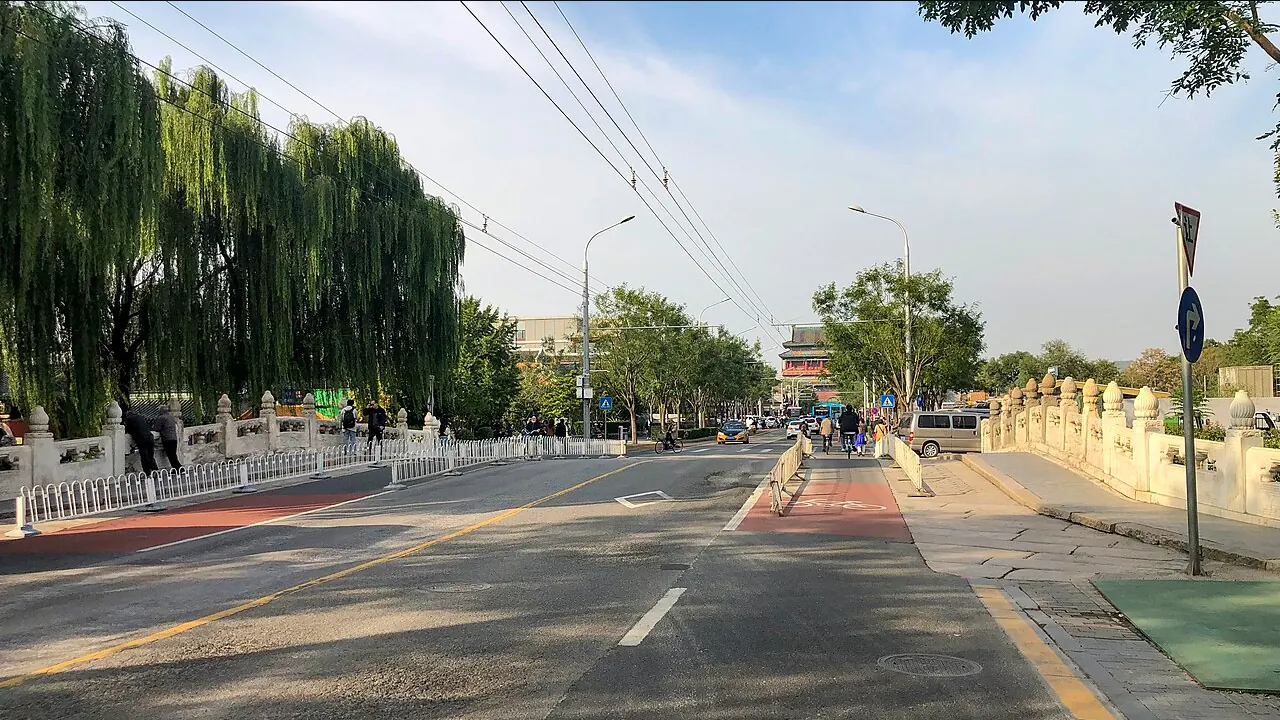
Wanning Bridge
万宁桥
Beijing
Wanning Bridge, also known as Haizi Bridge and Houmen Bridge, is located on Beijing's central axis in Xicheng District. First built in the 22nd year of the Zhiyuan reign of the Yuan Dynasty (1285), it was the starting point of the Grand Canal's water transport in the Yuan Dynasty.
Wanning Bridge
万宁桥
A historic stone arch bridge located in Dongcheng District, Beijing, spanning the Shichahai Lake. First built in the Yuan Dynasty, it is one of the oldest and best-preserved ancient bridges in Beijing, with a history of more than 700 years. The bridge features exquisite stone carvings and a classic single-arch design, and has been an important transportation hub in the old city for centuries. It is a key cultural heritage site and a popular spot for enjoying the scenery of Shichahai.
Nearby real sceneXianyukou Street
鲜鱼口
A famous historical commercial street located in Dongcheng District, Beijing, adjacent to Qianmen Street. With a history of more than 570 years, it was once a bustling market for fresh fish and meat in the Ming and Qing dynasties, and has now developed into a characteristic food and cultural street gathering a large number of time-honored brands and local specialty snacks. It is an important part of the Qianmen historical and cultural business district and a popular destination for experiencing Beijing's traditional food culture.
AI-assisted contextYanliao Guild Hall
颜料会馆
A historic guild hall located at No.22 Qingyun Hutong, Dongcheng District, Beijing. First built in the Ming Dynasty by merchants from Shanxi engaged in the pigment and tung oil trade, it is one of the earliest guild halls established in Beijing. The well-preserved building features a traditional Chinese courtyard structure, retains its original grand stage, and now hosts regular traditional opera and cross-talk performances, serving as an important venue for the inheritance of traditional Chinese folk art.
AI-assisted contextYongdingmen
永定门
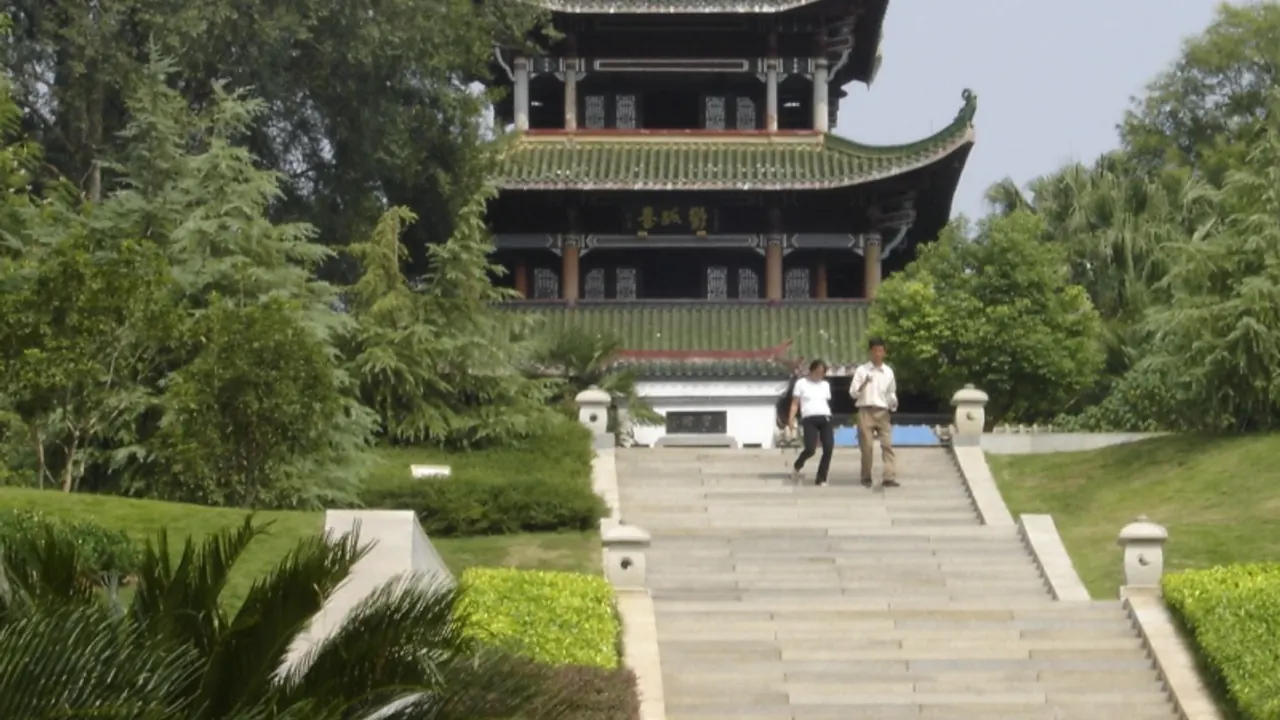
Yugu Terrace
郁孤台
Jiangxi
A historic terrace built in the Tang Dynasty, perched on Helan Mountain. Famous for the poem "Bodhisattva·Written on the Wall at Zaokou" by Xin Qiji. It offers panoramic views of the ancient city and Gan River.
Nearby real sceneYuhe River
玉河
Beijing
The Yuhe River is a section of the Tonghui River, which was an important part of the Grand Canal in the Yuan Dynasty. Located in Dongcheng District, Beijing, it connects Shichahai with the moat. After renovation, it has become a leisure area with both historical culture and ecological landscape. It is part of the World Heritage "Beijing Central Axis - A Masterpiece of Chinese Ideal Capital Order".
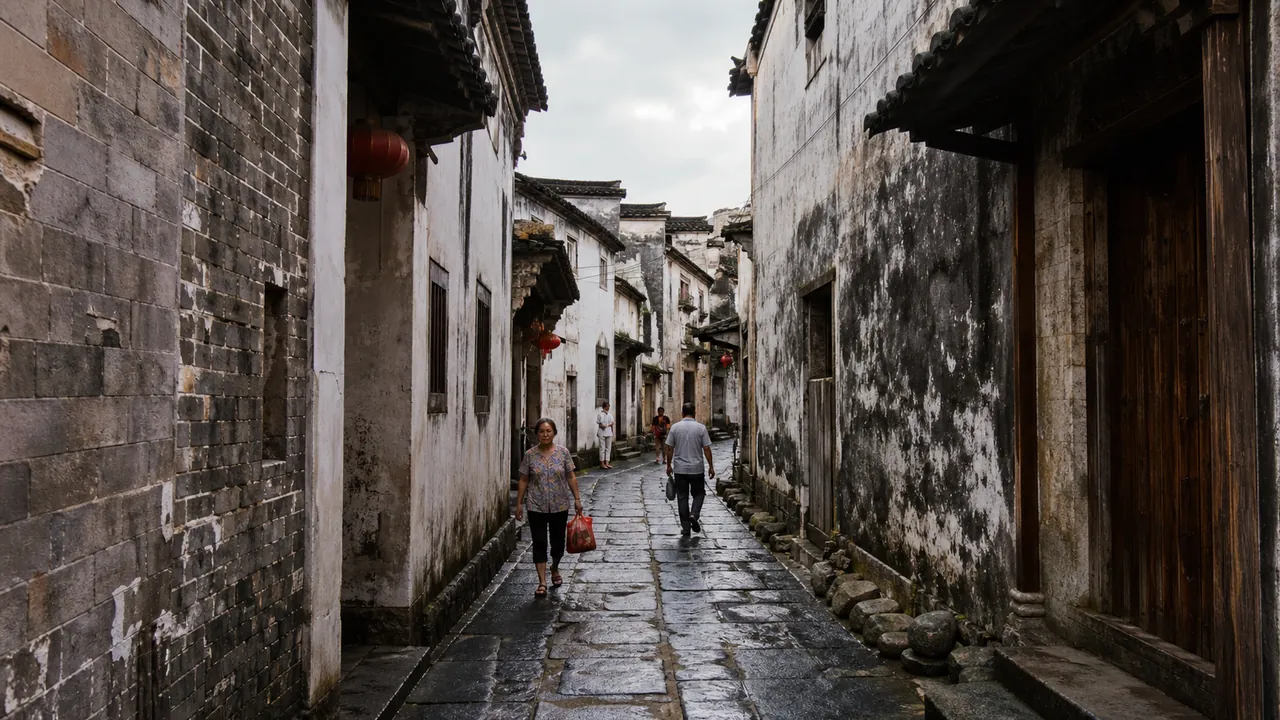 AI-assisted context
Zao'er Alley
灶儿巷
Jiangxi
A 227-meter-long historic lane dating to the Song Dynasty. A well-preserved Ming-Qing architectural complex blending Hakka, Huizhou, and Western styles. Offers local snacks.
Zhengyangmen
正阳门
AI-assisted contextZhushiko
珠市口
Verified photo pending
Zijin Hotel
紫金宾馆
A European-style courtyard hotel located at No.14 Dongjiaomin Lane, Dongcheng District, Beijing. Formerly the site of the Belgian Embassy in China, the building features an eclectic architectural style popular in Europe and America in the late 19th and early 20th centuries. With a history of more than a century, it has served as a state guesthouse and is now a well-preserved historical architectural relic witnessing China's modern history.