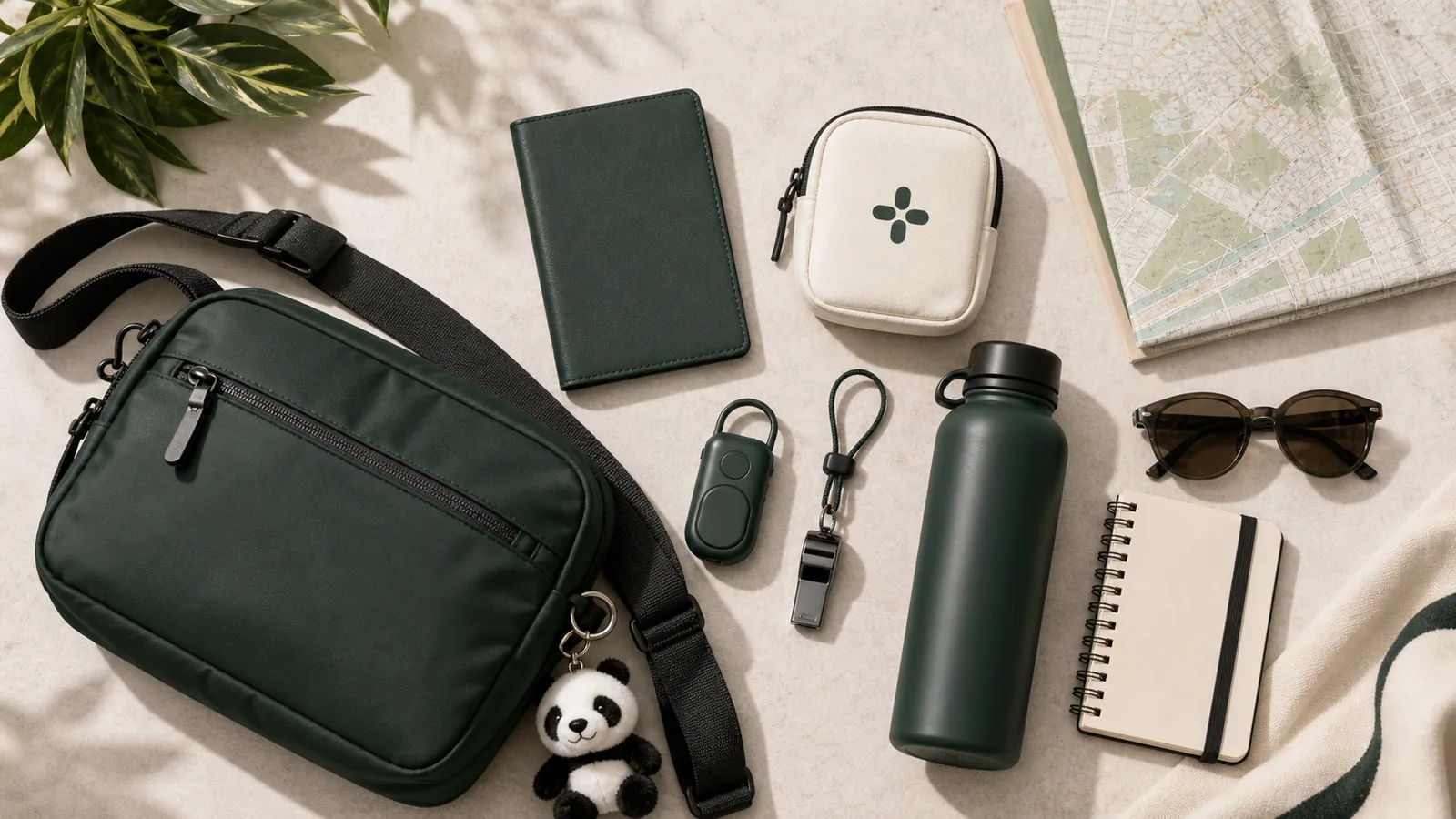
If you're wondering whether China is safe for tourists, here's the honest answer: China is one of the safest countries in the world for travelers. Violent crime against tourists is extremely rare, and most visitors say they feel safer in China than in their home countries.
But safety isn't just about crime. This guide covers everything foreign travelers actually worry about — from food safety and scams to solo female travel and navigating without English.
💡 Quick answer: China ranks #3 in Asia for traveler safety according to the 2024 Global Peace Index. Over 95% of tourists report feeling safe during their visit.
Crime Safety: What the Data Actually Says
China's crime rate against tourists is among the lowest in the world. Here's what you need to know:
Violent Crime
- Extremely rare against tourists. China has one of the lowest homicide rates globally (0.5 per 100,000 people, compared to 5.0 in the US).
- Tourist areas have heavy police presence and CCTV cameras everywhere.
- Walking alone at night in cities like Beijing, Shanghai, or Xi'an is considered safer than most Western cities.
Petty Crime
- Pickpocketing is the most common issue, mainly in:
- Crowded tourist spots (Great Wall, Forbidden City entrance)
- Busy metro stations during rush hour
- Night markets and shopping streets
- How to protect yourself:
- Keep your phone and wallet in front pockets or a cross-body bag
- Don't leave bags unattended
- Use hotel safes for passports and extra cash
Scams Targeting Tourists
These exist but are easy to avoid if you know what to watch for:
| Scam | How It Works | How to Avoid |
|---|---|---|
| Tea house scam | Friendly stranger invites you to a "local tea house" — bill arrives for hundreds of dollars | Politely decline. Say "no thank you" and keep walking. |
| Fake art student | "Art student" invites you to gallery, pressures you to buy overpriced art | Real students don't recruit tourists. Decline. |
| Taxi meter scam | Driver "forgets" to start meter or takes a longer route | Use Didi (China's Uber) — fixed price, no negotiation |
| Fake police | Someone claiming to be "plainclothes police" asks for your passport and wallet | Real police carry ID. Ask to see it. Never hand over cash. |
✅ Good news: Most Chinese people are genuinely helpful. If you look lost, someone will try to help you — often with very broken English and lots of hand gestures. It's one of the best parts of traveling in China.
Food & Water Safety
Can You Drink Tap Water in China?
No. Tap water is not safe to drink. But don't worry — this is easily managed:
- Hotels provide free bottled water (usually 2 bottles per room per day)
- Restaurants serve boiled or filtered water (hot water is the Chinese default)
- Convenience stores (7-Eleven, FamilyMart) sell bottled water everywhere — 2-3 RMB ($0.30-$0.50)
- Pro tip: Ask for "热水" (hot water) — it's free at most restaurants and is safe because it's boiled
Is Street Food Safe?
Yes, with some common sense:
- ✅ Safe: Busy stalls with high turnover (fresh food), cooked-in-front-of-you items, steamed dumplings, grilled skewers
- ⚠️ Be careful: Pre-cut fruit sitting out, ice from unknown sources, raw vegetables washed in tap water
- ❌ Avoid: Anything that smells off, raw meat/seafood
Real talk: Your stomach may need 2-3 days to adjust. Bring probiotics and anti-diarrhea medication just in case. Most travelers experience mild stomach upset — it's not from "bad food," just unfamiliar bacteria.
Transportation Safety
Getting Around Cities
- Metro/Subway: Extremely safe, clean, and efficient. Available in all major cities. English signage is standard.
- Didi (ride-hailing): China's Uber. Download the Didi app (has English version). Drivers are verified, routes are tracked. Safer than taxis.
- Taxis: Generally safe. Always ask the driver to use the meter ("请打表" — qǐng dǎ biǎo). If they refuse, take another cab.
- Walking: Very safe. Cities are well-lit, pedestrian-friendly, and heavily patrolled.
Long-Distance Travel
- High-speed trains: China's rail network is the world's largest and extremely safe. Trains are clean, punctual, and comfortable. Book through Trip.com (English) or 12306.cn.
- Domestic flights: All major airlines meet international safety standards. Delays are common during summer thunderstorms.
- Buses: Long-distance buses are safe but less comfortable than trains. Stick to trains for distances over 3 hours.
Solo Female Travel in China
China is one of the safest countries for solo female travelers. Here's what women report:
The Good
- Street harassment is rare. Catcalling and unwanted attention are far less common than in Europe, South America, or India.
- Night travel is safe. Women routinely walk home alone at midnight in cities.
- Public transport is safe. Metro and high-speed trains have no gender-based safety issues.
Tips for Solo Female Travelers
- Dress like a local — Avoid standing out as a tourist. Casual, modest clothing blends in better.
- Learn basic phrases — "你好" (hello), "谢谢" (thank you), "洗手间在哪里" (where is the bathroom)
- Share your itinerary — Let someone back home know where you're going each day
- Use Didi, not random taxis — Especially at night
- Trust your instincts — If something feels off, it probably is. Leave.
💬 What a solo female traveler told us: "I walked around Beijing at 2am taking photos and never once felt unsafe. I couldn't say the same about my hometown." — Sarah, 28, Australia
Health & Medical Safety
Do You Need Travel Insurance?
Yes, absolutely. China's healthcare system is good but expensive for foreigners. Comprehensive travel insurance costs ~$5-15/day and covers:
- Emergency medical treatment
- Hospital stays
- Medical evacuation
- Trip cancellation/interruption
Recommended providers: World Nomads, SafetyWing, Allianz Travel
What If You Need a Hospital?
- Major cities (Beijing, Shanghai, Guangzhou) have international hospitals with English-speaking staff
- Standard hospitals may have limited English, so travel insurance with a 24/7 hotline is essential
- Pharmacies are everywhere and many medications available over the counter in China require prescriptions elsewhere
Air Quality
- Air pollution varies by city and season. Beijing in winter can be hazy; southern cities (Guilin, Chengdu) generally have better air.
- Check AQICN.org for real-time air quality in any Chinese city.
- N95 masks are cheap and effective — buy them at any convenience store.
Political & Social Safety
Is It Safe to Talk About Politics?
Keep it simple: As a tourist, you won't encounter political issues in daily life. Avoid:
- Discussing sensitive topics with strangers
- Taking photos of government buildings, military installations, or protests
- Participating in political gatherings or demonstrations
Bottom line: Millions of tourists visit China yearly without any political issues. Focus on the culture, food, and scenery — that's why you came.
Photography Restrictions
- ✅ OK to photograph: Landmarks, temples, streets, food, people (with permission)
- ⚠️ Ask first: Monks, elderly people, street vendors (some may charge a small fee)
- ❌ Avoid: Military areas, police stations, border crossings, some train stations
Emergency Contacts
| Service | Number | Notes |
|---|---|---|
| Police | 110 | English-speaking officers available in tourist areas |
| Ambulance | 120 | Response times vary by city |
| Fire | 119 | |
| Tourist Hotline | 12301 | English service available |
| Your Embassy | — | Look up your country's embassy in Beijing or consulate in Shanghai |
💡 Pro tip: Save these numbers in your phone. Also save the contact info of your tour guide or hotel — they can help translate in emergencies.
The Verdict: How Safe Is China Really?
| Category | Safety Level | Notes |
|---|---|---|
| Violent Crime | 🟢 Very Safe | Extremely rare |
| Petty Crime | 🟢 Safe | Pickpocketing in crowds |
| Scams | 🟡 Moderate | Easy to avoid with knowledge |
| Food Safety | 🟢 Safe | Just avoid tap water |
| Transport | 🟢 Very Safe | Metro and high-speed rail are excellent |
| Solo Female Travel | 🟢 Very Safe | One of the safest destinations |
| Health Care | 🟡 Moderate | Good in cities, insurance essential |
| Air Quality | 🟡 Variable | Depends on city and season |
Bottom line: China is exceptionally safe for tourists. The biggest "danger" most travelers face is mild stomach upset from unfamiliar food — not crime or violence.
The real challenge isn't safety — it's logistics: navigating without English, figuring out payments, booking trains, and knowing which scams to avoid. That's where having a local guide makes all the difference.
Want a Stress-Free China Trip?
We help travelers plan safe, customized trips with:
- ✅ Local English-speaking guides who know your city
- ✅ Verified drivers and transport — no meter scams
- ✅ Restaurant recommendations — safe food, amazing taste
- ✅ 24/7 support during your entire trip
Real Guide Travel — Experience China Like a Local.
Last updated: May 2026. This guide is based on real traveler experiences and official safety data. If you have specific safety concerns about your destination, contact us — we'll give you honest, personalized advice.